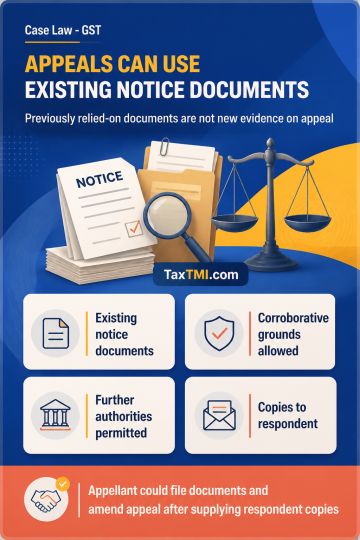
Additional evidence in departmental appeals may include show-cause-notice material without introducing a new case where it merely corroborates existin...
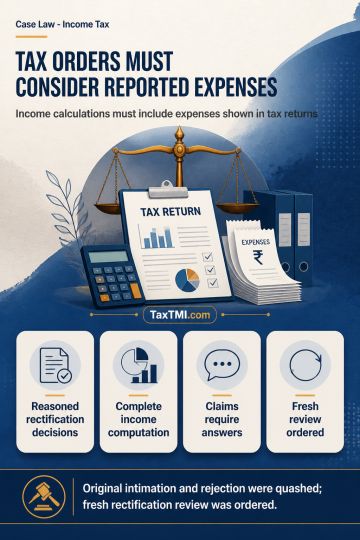
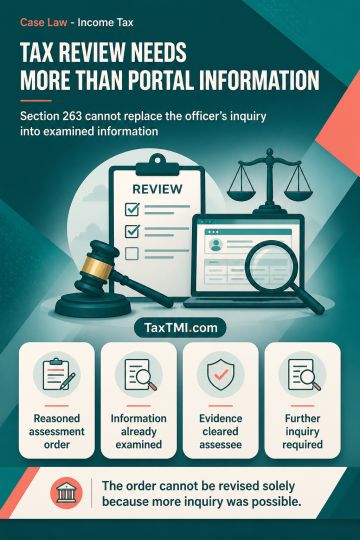
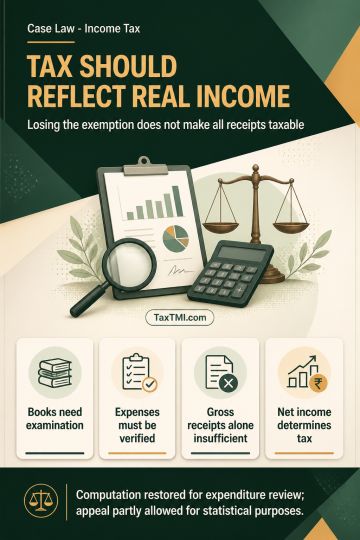
Reasoned rectification orders require consideration of expenditure disclosed in income-tax returns, preventing revision based on incomplete income com...
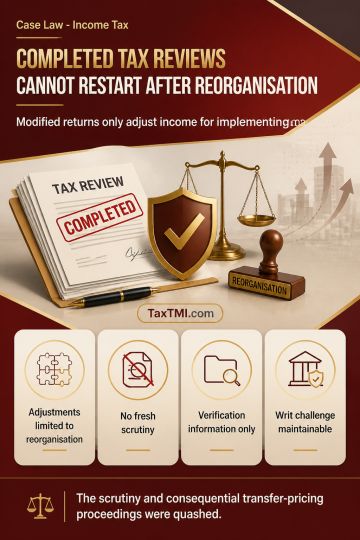
Modified returns after business reorganisations cannot trigger fresh scrutiny once the original assessment was complete, invalidating related transfer...
Third-party loose sheets require reliable nexus before supporting unexplained expenditure additions; presumptions do not establish payer identity or o...
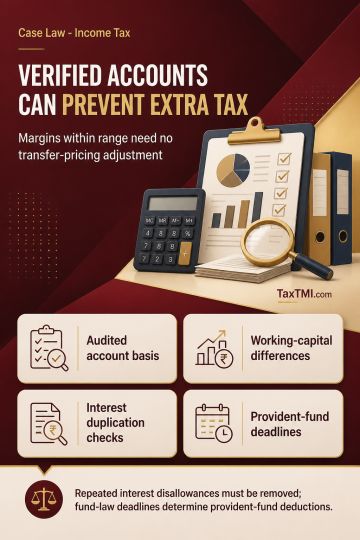
TNMM comparability using audited accounts and working-capital adjustments can eliminate unwarranted transfer-pricing additions where verified margins ...
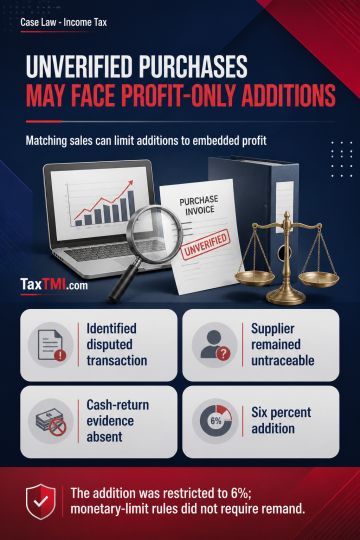
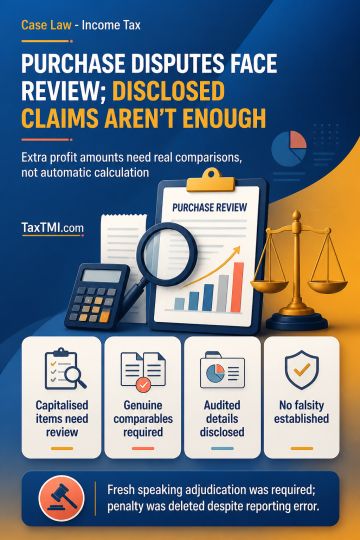
Gross-profit additions on disputed purchases require reasoned appellate determination; disclosed claims alone do not support inaccurate-particulars pe...
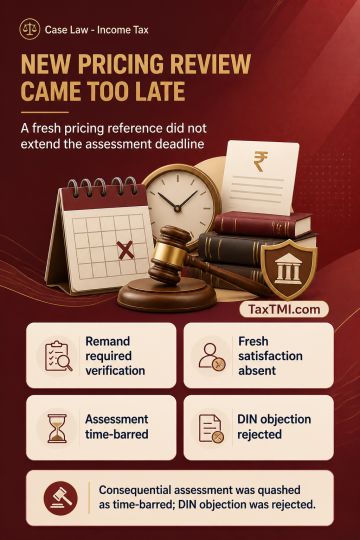
Limitation after transfer-pricing remand: fresh TPO reference did not extend the assessment deadline, rendering the consequential assessment time-barr...
Interim judicial restraint on tax deduction prevents default, while supporting reasonable cause and penalty deletion for foreign-leg LFC reimbursement...
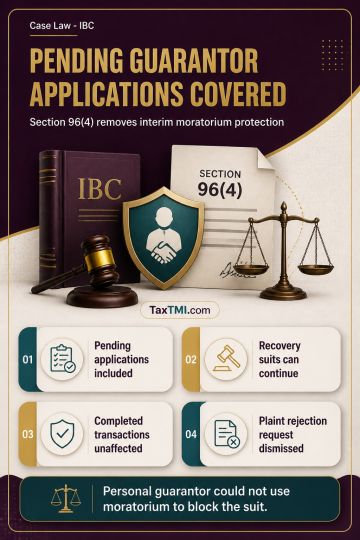
Section 96(4) of the Insolvency and Bankruptcy Code applies retroactively to pending insolvency applications involving personal guarantors to corporate debtors. The exclusion removes the pre-admission interim moratorium that could otherwise delay recovery proceedings; it affects pending transactions rather than completed transactions. The phrase "is filed" includes applications filed before the amendment's commencement but still pending thereafter. Consequently, the personal guarantor could not rely on an interim moratorium to bar the suit, and the request to reject the plaint on that basis was dismissed.
Section 96(4) of the Insolvency and Bankruptcy Code applies retroactively to pending insolvency applications involving personal guarantors to corporate debtors. The exclusion removes the pre-admission interim moratorium that could otherwise delay recovery proceedings; it affects pending transactions rather than completed transactions. The phrase "is filed" includes applications filed before the amendment's commencement but still pending thereafter. Consequently, the personal guarantor could not rely on an interim moratorium to bar the suit, and the request to reject the plaint on that basis was dismissed.
Note: It is a system-generated summary and is for quick reference only.
 TaxTMI
  TaxTMI
 of 4894