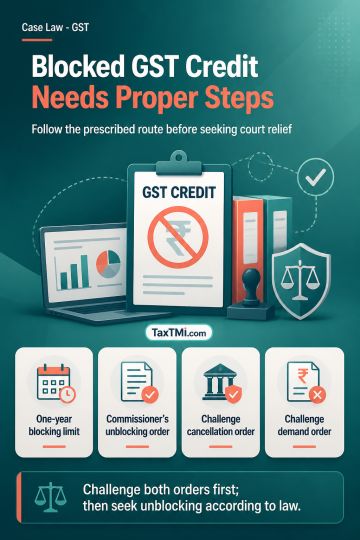
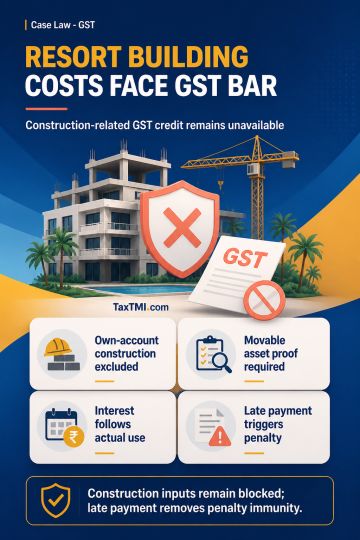
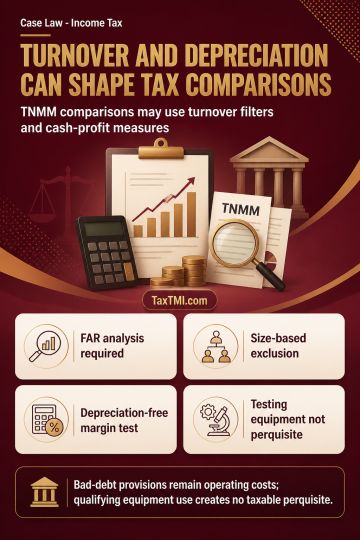
Blocked input tax credit for resort construction remains unavailable; interest follows actual utilisation, while delayed payment attracts statutory pe...
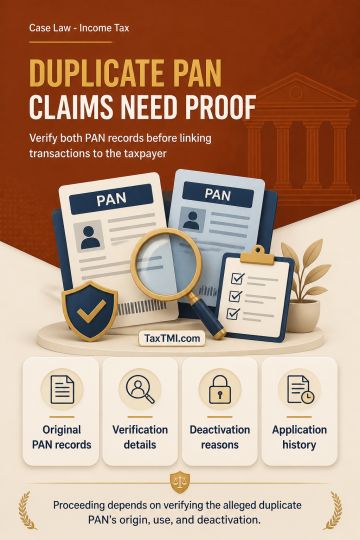
Duplicate PAN allocation requires record verification and deactivation reasons before assessment-related transactions can be attributed to an assessee...
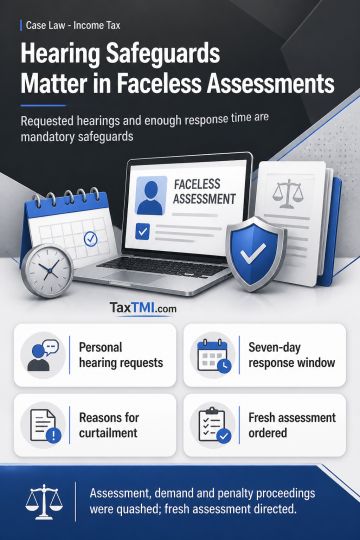
Faceless assessment safeguards require requested personal hearings and adequate final show-cause response time, failing which reassessment is required...
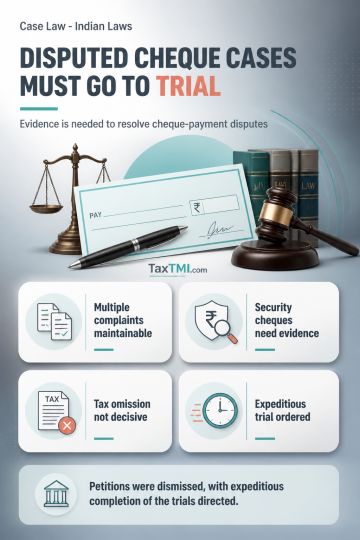
Inherent jurisdiction to quash cheque dishonour proceedings cannot be used to conduct a mini-trial where complaints prima facie disclose the offence and disputed issues, including security cheques, enforceable debt, service of notice and settlement, require evidence. The statutory presumption of legally enforceable debt under section 139 remains subject to trial. Separate complaints based on two consolidated demand notices for multiple dishonoured cheques from one transaction are maintainable. Non-reflection of the underlying transaction in income-tax returns does not by itself rebut the statutory presumptions or make the debt unenforceable; any income-tax breach may attract a prescribed penalty. The quashing petitions were dismissed and expeditious trial completion directed.
Inherent jurisdiction to quash cheque dishonour proceedings cannot be used to conduct a mini-trial where complaints prima facie disclose the offence and disputed issues, including security cheques, enforceable debt, service of notice and settlement, require evidence. The statutory presumption of legally enforceable debt under section 139 remains subject to trial. Separate complaints based on two consolidated demand notices for multiple dishonoured cheques from one transaction are maintainable. Non-reflection of the underlying transaction in income-tax returns does not by itself rebut the statutory presumptions or make the debt unenforceable; any income-tax breach may attract a prescribed penalty. The quashing petitions were dismissed and expeditious trial completion directed.
Note: It is a system-generated summary and is for quick reference only.
 TaxTMI
  TaxTMI
 of 4888