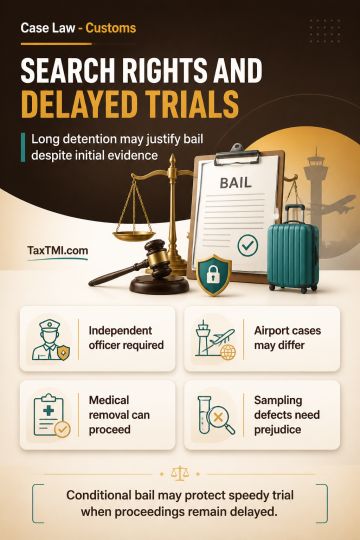
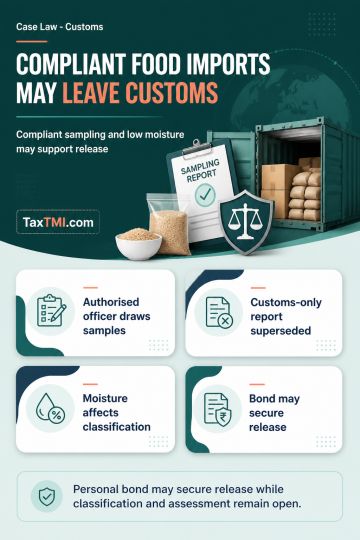
Food import sampling requirements support provisional release where unseized consignments conform to standards and raw areca classification is unestab...
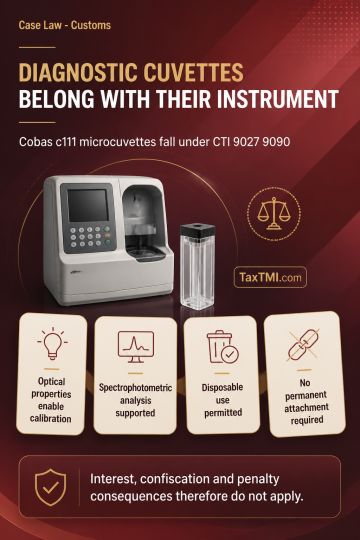
Diagnostic microcuvette classification follows sole-use analytical function, placing specialised disposable cuvettes with their analyser rather than g...
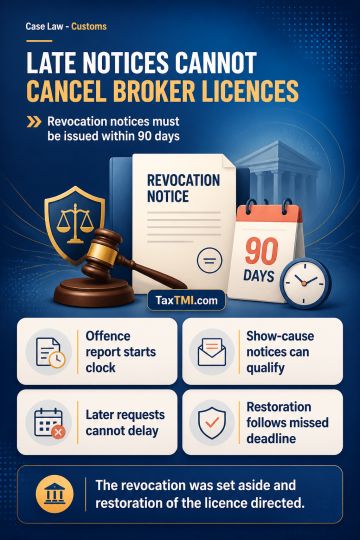
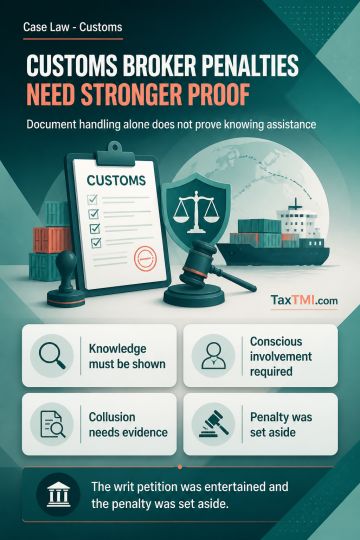
Customs Broker licensing proceedings fail when their offence-report foundation collapses and authorisation, advisory, and KYC duties remain unbreached...
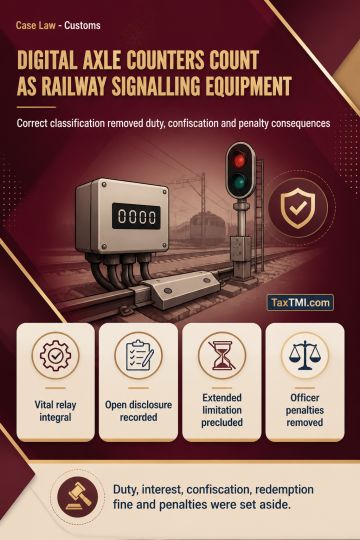
Tariff classification of Digital Axle Counters affirmed as electro-mechanical railway signalling equipment, eliminating duty, confiscation and penalty...
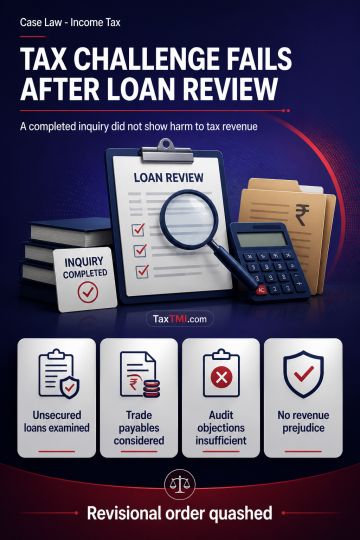
Section 263 revision requires the assessment order to be both erroneous and prejudicial to the interests of the Revenue. Where the Assessing Officer has called for and considered details on unsecured loans and trade payables, revision cannot rest merely on audit objections or an assumption that further inquiry would produce an addition under section 68. Explanation 2 creates a deeming framework for insufficient inquiry but does not remove the twin statutory requirements. In the stated circumstances, the assessment was made after inquiry, no revenue prejudice was identified, and the revisional order was quashed.
Section 263 revision requires the assessment order to be both erroneous and prejudicial to the interests of the Revenue. Where the Assessing Officer has called for and considered details on unsecured loans and trade payables, revision cannot rest merely on audit objections or an assumption that further inquiry would produce an addition under section 68. Explanation 2 creates a deeming framework for insufficient inquiry but does not remove the twin statutory requirements. In the stated circumstances, the assessment was made after inquiry, no revenue prejudice was identified, and the revisional order was quashed.
Note: It is a system-generated summary and is for quick reference only.
 TaxTMI
  TaxTMI
 of 4886