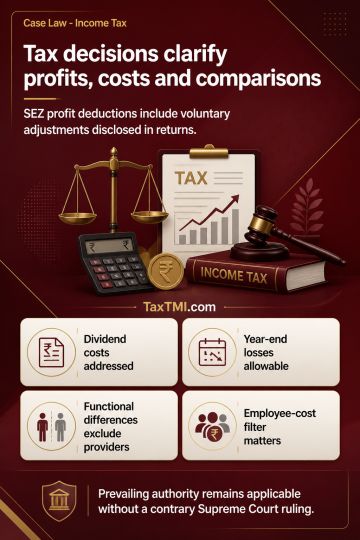
SEZ-unit profit deduction covers voluntary transfer-pricing adjustments, while exempt-income costs, foreign-exchange loss and ITeS comparables are exa...
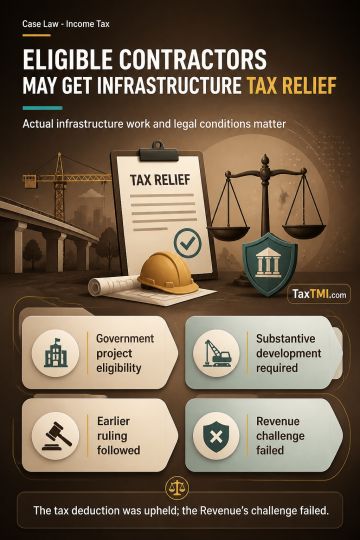
Infrastructure-development deduction remains available to EPC contractors when substantive statutory conditions outweigh contractor labels in agreemen...
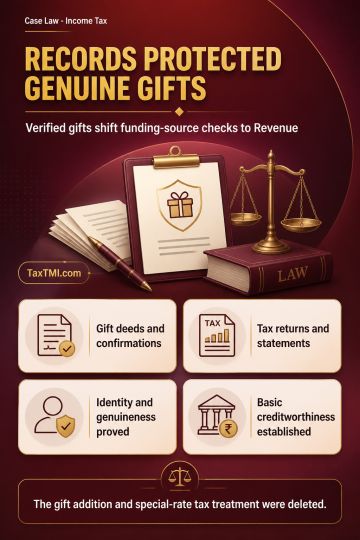
Explained Investment Sources: documented gifts and traceable salary savings supported deletion of additions for property and mutual-fund SIP investmen...
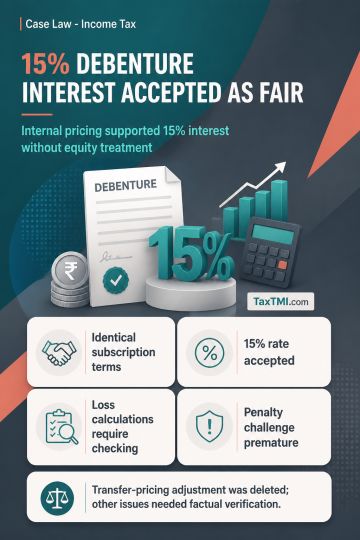
Internal comparable pricing supports arm's-length interest on compulsorily convertible debentures, preventing their recharacterisation as equity for t...
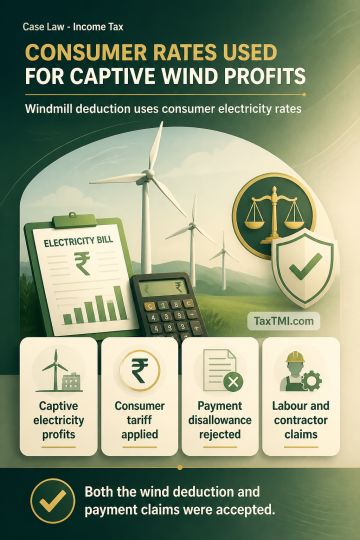
Profits from an eligible windmill unit's electricity transferred for captive consumption qualify for deduction under section 80IA. The profit must be computed using the rate charged by the Electricity Board to consumers, rather than the lower rate paid by the Board to generating companies. Payments were not liable to disallowance merely because payees could not be produced after a substantial lapse of time or because expenditure had increased over earlier years. The nature of payees, including labourers, contractors and job workers, and the fact that several payments were below the tax-deduction threshold, precluded treatment of the payments as unexplained. Deduction for captive wind-generated electricity and the payment claims were consequently accepted.
Profits from an eligible windmill unit's electricity transferred for captive consumption qualify for deduction under section 80IA. The profit must be computed using the rate charged by the Electricity Board to consumers, rather than the lower rate paid by the Board to generating companies. Payments were not liable to disallowance merely because payees could not be produced after a substantial lapse of time or because expenditure had increased over earlier years. The nature of payees, including labourers, contractors and job workers, and the fact that several payments were below the tax-deduction threshold, precluded treatment of the payments as unexplained. Deduction for captive wind-generated electricity and the payment claims were consequently accepted.
Note: It is a system-generated summary and is for quick reference only.
 TaxTMI
  TaxTMI
 of 4894