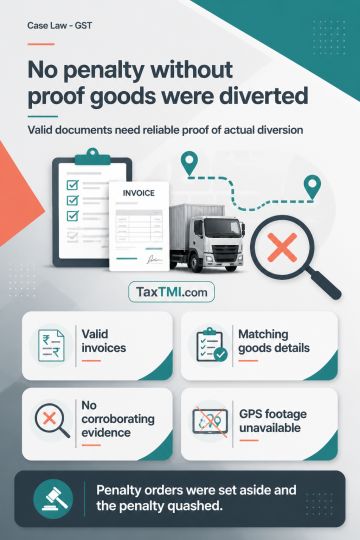
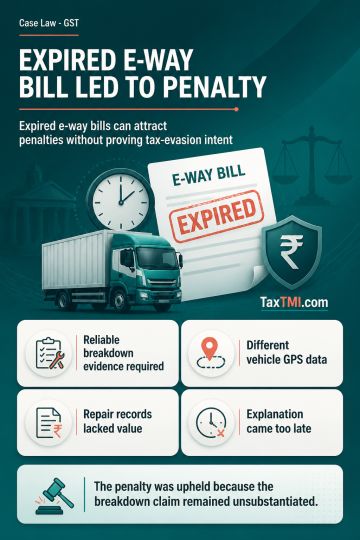
Delayed transport documents failed to validate intercepted goods, sustaining transit-state penalties where the claimed interstate destination remained...
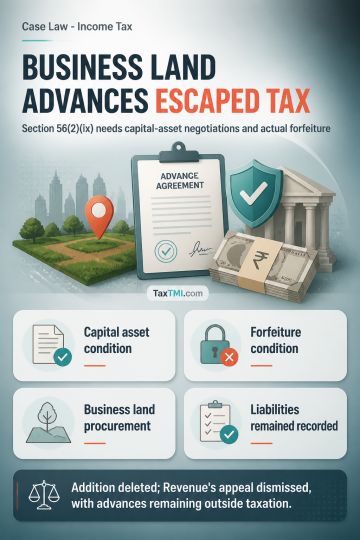
Section 56(2)(ix) applies only when both statutory conditions coexist: a sum is received as an advance during negotiations for transfer of a capital asset, and the sum is subsequently forfeited because the transfer does not occur. Advances provided for locating, procuring and acquiring land for business projects were characterised as relating to stock-in-trade, rather than a capital asset, and therefore fell outside the provision. Mere lapse of time and absence of a refund claim did not establish forfeiture, particularly where the amounts remained recorded as liabilities and were confirmed by the payers. The addition was consequently deleted, and the Revenue's appeal was dismissed.
Section 56(2)(ix) applies only when both statutory conditions coexist: a sum is received as an advance during negotiations for transfer of a capital asset, and the sum is subsequently forfeited because the transfer does not occur. Advances provided for locating, procuring and acquiring land for business projects were characterised as relating to stock-in-trade, rather than a capital asset, and therefore fell outside the provision. Mere lapse of time and absence of a refund claim did not establish forfeiture, particularly where the amounts remained recorded as liabilities and were confirmed by the payers. The addition was consequently deleted, and the Revenue's appeal was dismissed.
Note: It is a system-generated summary and is for quick reference only.
 TaxTMI
  TaxTMI
 of 4921