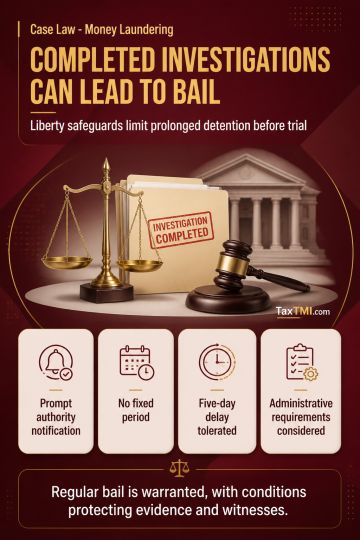
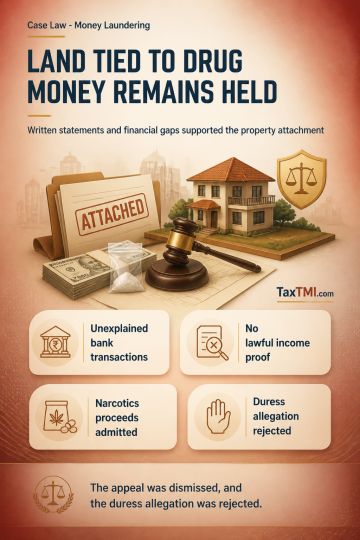
Constitutional personal-liberty safeguards limit PMLA twin bail conditions where completed investigations lead to prolonged incarceration before trial...
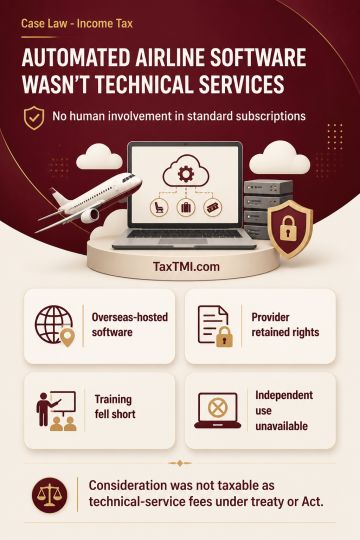
Automated airline software subscriptions without human intervention fail technical-services characterisation and do not make available underlying tech...
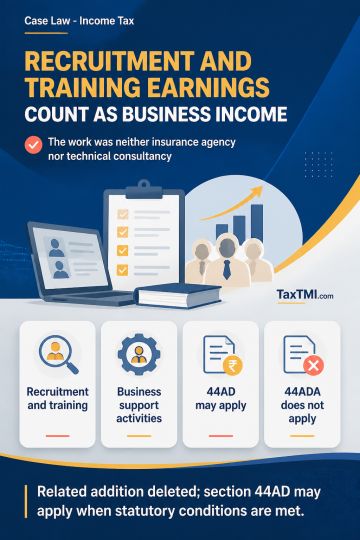
Business support recruitment and training receipts qualify for presumptive business taxation, not professional taxation under technical consultancy ru...
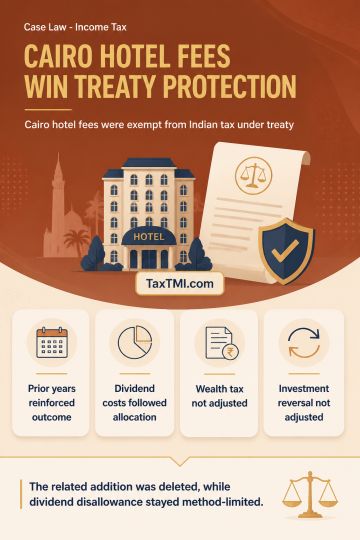
Treaty exemption for foreign permanent-establishment management fees prevailed, while dividend expense disallowance remained limited to an accepted al...
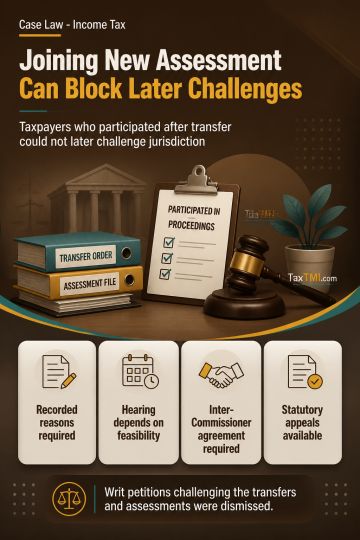
Centralised assessment transfers: participation after requesting centralisation can bar technical jurisdictional challenges, while assessment disputes...
Page of 4908
Press 'Enter' after typing page number.
21 to 40 of 98141 Results
❮
❯
❯❯
0 / 200
Expand Note
Add to Folder
No Folders have been created
+
Are you sure you want to delete "My most important" ?
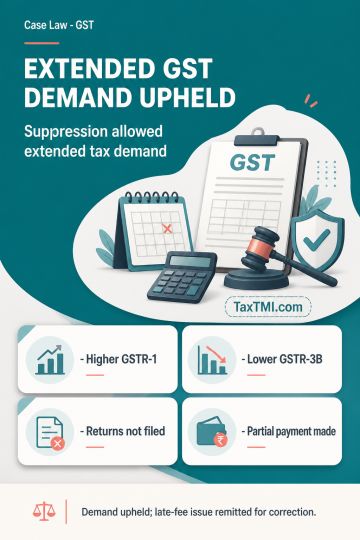
Extended limitation under GST was upheld where the assessee had disclosed higher taxable turnover in GSTR-1 but restricted liability in GSTR-3B for part of the year, then failed to file returns for the later period and made only partial payment after inspection. Applying the lower threshold for invoking Section 74 under GST, the HC held that the record was sufficient to infer suppression of turnover and non-payment of tax, so the extended period and consequent demand were valid. On the separate issue of late fee for non-filing of the annual return, the Court found an inconsistency between Defect No.10 and the revenue abstract and remitted the matter only for a corrigendum correcting that limited aspect.
Extended limitation under GST was upheld where the assessee had disclosed higher taxable turnover in GSTR-1 but restricted liability in GSTR-3B for part of the year, then failed to file returns for the later period and made only partial payment after inspection. Applying the lower threshold for invoking Section 74 under GST, the HC held that the record was sufficient to infer suppression of turnover and non-payment of tax, so the extended period and consequent demand were valid. On the separate issue of late fee for non-filing of the annual return, the Court found an inconsistency between Defect No.10 and the revenue abstract and remitted the matter only for a corrigendum correcting that limited aspect.
Note: It is a system-generated summary and is for quick reference only.
 TaxTMI
  TaxTMI
 of 4908