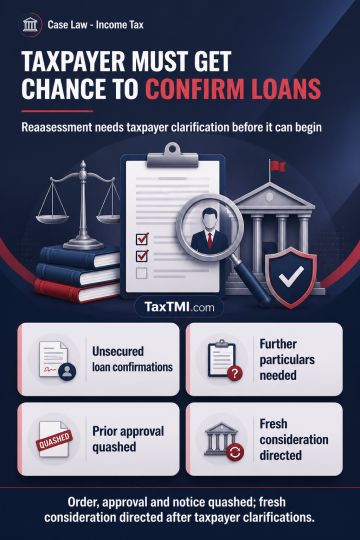
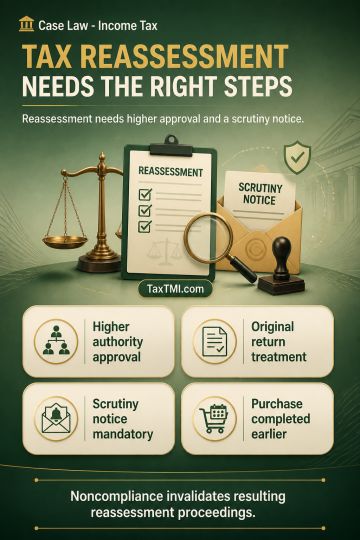
Opportunity to furnish unsecured-loan confirmations is required before reassessment initiation; proceedings require fresh consideration after taxpayer...
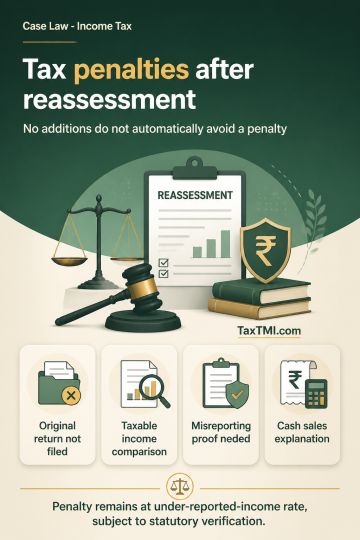
Under-reporting on a first reassessment return attracts penalty, while enhanced misreporting penalty requires proof of a statutory misreporting catego...
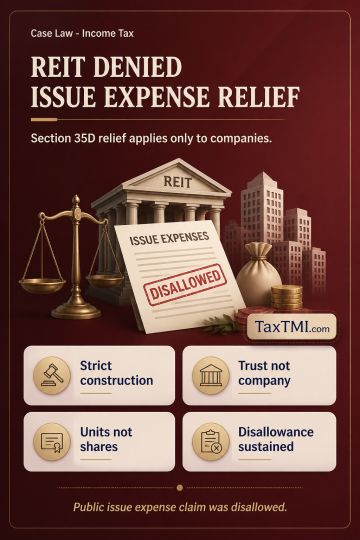
Section 35D(2)(c) was held to allow deduction only to a company for expenditure connected with public subscription of its shares or debentures. The Tribunal applied strict construction and refused to extend that relief to a REIT constituted as a trust, since a business trust is neither a company nor deemed to be one under the Act. It further held that REIT units are legally distinct from shares or debentures, and their regulatory treatment under SEBI norms does not change that character for section 35D(2)(c). The disallowance of the public issue expense claim was therefore sustained.
Section 35D(2)(c) was held to allow deduction only to a company for expenditure connected with public subscription of its shares or debentures. The Tribunal applied strict construction and refused to extend that relief to a REIT constituted as a trust, since a business trust is neither a company nor deemed to be one under the Act. It further held that REIT units are legally distinct from shares or debentures, and their regulatory treatment under SEBI norms does not change that character for section 35D(2)(c). The disallowance of the public issue expense claim was therefore sustained.
Note: It is a system-generated summary and is for quick reference only.
 TaxTMI
  TaxTMI
 of 4916