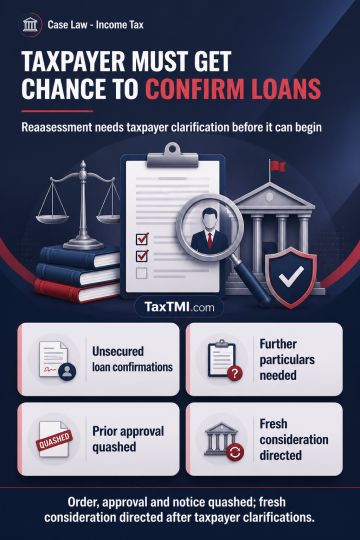
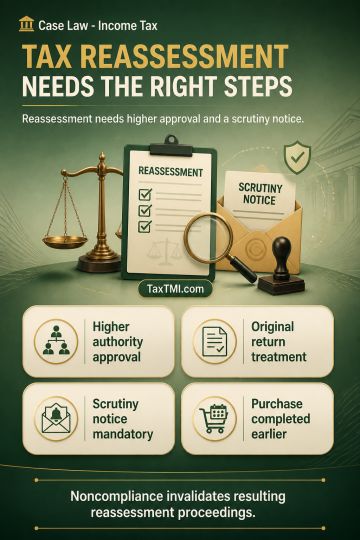
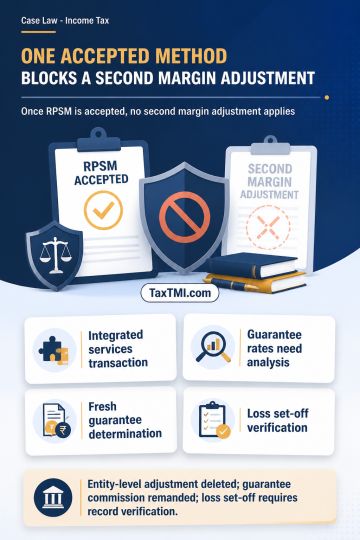
Opportunity to furnish unsecured-loan confirmations is required before reassessment initiation; proceedings require fresh consideration after taxpayer...
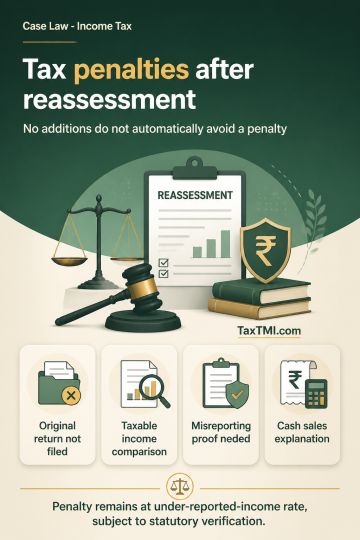
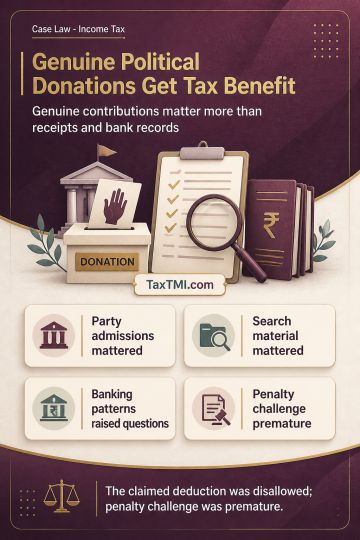
Under-reporting on a first reassessment return attracts penalty, while enhanced misreporting penalty requires proof of a statutory misreporting catego...
The ITAT held that the assessee had no fixed place PE in India under Article 5(1) of the Indo-Canadian DTAA because none of the recognised tests were met: the customer premises were not at its disposal, there was no fixed place through which business was carried on, and the limited presence of personnel did not establish permanence or continuity. It further held that no installation or supervisory PE arose, as the only India activity during the year was a brief inspection visit and the installation work in the next year did not cross the treaty's 120-day threshold. With no PE existing, attribution of income to an alleged PE was unsustainable and the additions based on that premise could not survive.
The ITAT held that the assessee had no fixed place PE in India under Article 5(1) of the Indo-Canadian DTAA because none of the recognised tests were met: the customer premises were not at its disposal, there was no fixed place through which business was carried on, and the limited presence of personnel did not establish permanence or continuity. It further held that no installation or supervisory PE arose, as the only India activity during the year was a brief inspection visit and the installation work in the next year did not cross the treaty's 120-day threshold. With no PE existing, attribution of income to an alleged PE was unsustainable and the additions based on that premise could not survive.
Note: It is a system-generated summary and is for quick reference only.
 TaxTMI
  TaxTMI
 of 4915