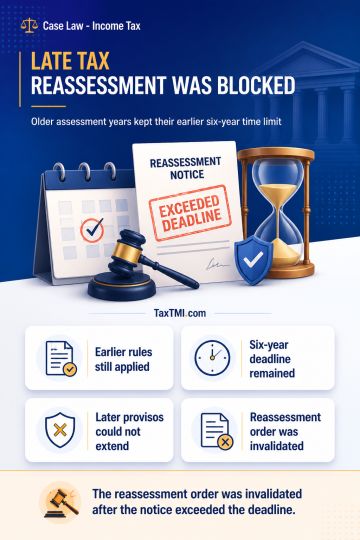
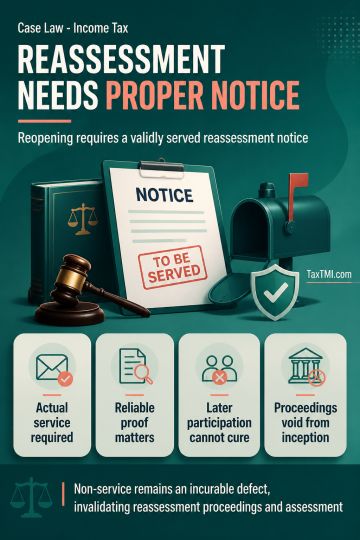
Pre-amendment reassessment limitation bars late notices under the preserved regime, invalidating consequential reassessment for affected earlier asses...
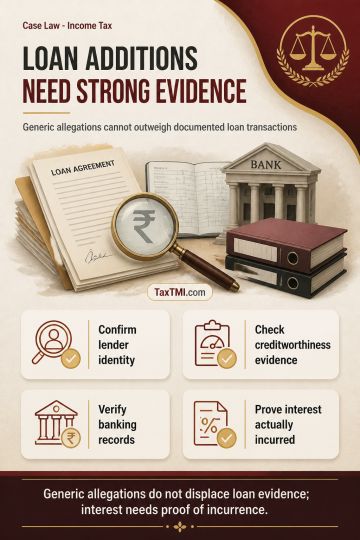
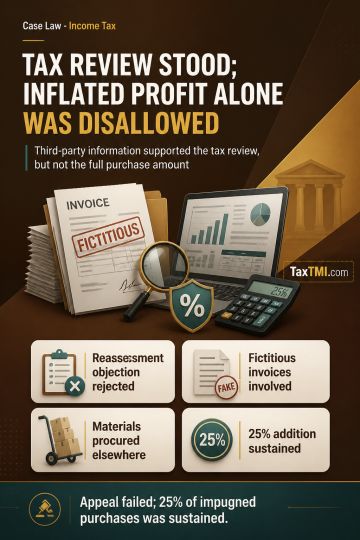
Cash-sales explanations for bank deposits require documentary reconciliation; reassessment notice survived where effective response time was available...
Functional comparability in transfer pricing prevents ad hoc arm's length adjustments where functions, assets, risks and reliable comparables are unes...
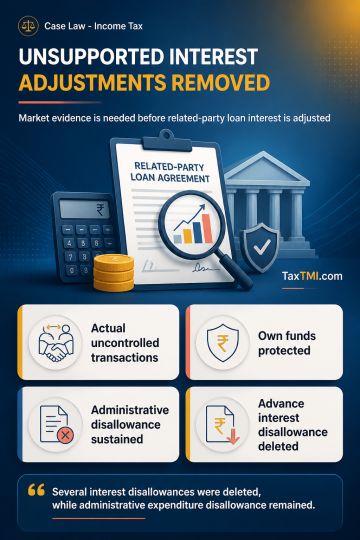
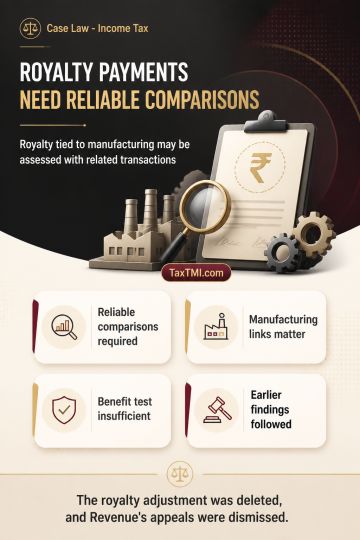
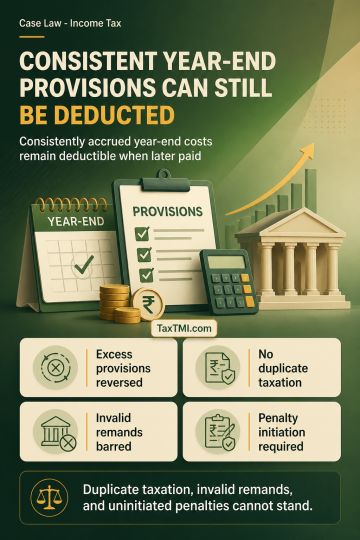
Contingency expenses, exempt-income disallowance, and royalty benchmarking: unsupported adjustments were deleted under consistent accounting and trans...
Section 125 of the CGST framework was construed as prescribing a single maximum general penalty of Rs. 25,000, so the penalty could not be split into separate CGST and SGST penalties to exceed that statutory cap. The High Court therefore held that imposing Rs. 25,000 under CGST and a further Rs. 25,000 under SGST under the same provision was unjustified. The penalty order and the appellate order were set aside, and the matter was remanded for fresh consideration in accordance with law, with all available grounds left open to the petitioner.
Section 125 of the CGST framework was construed as prescribing a single maximum general penalty of Rs. 25,000, so the penalty could not be split into separate CGST and SGST penalties to exceed that statutory cap. The High Court therefore held that imposing Rs. 25,000 under CGST and a further Rs. 25,000 under SGST under the same provision was unjustified. The penalty order and the appellate order were set aside, and the matter was remanded for fresh consideration in accordance with law, with all available grounds left open to the petitioner.
Note: It is a system-generated summary and is for quick reference only.
 TaxTMI
 TaxTMI

 of 4918