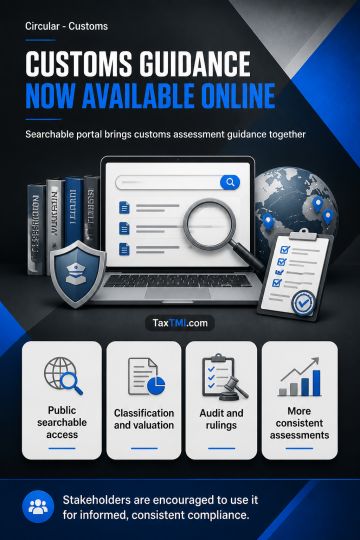
Customs Assessment Portal centralises classification and valuation guidance to support consistent, transparent and informed compliance across stakehol...
GST refunds for cancelled air tickets remain available when passenger reimbursements defeat unjust enrichment and credit-note adjustment is unavailabl...
A customs broker's failure to verify the authenticity of duty credit scrips was treated as conscious facilitation where forged, duplicated and re-registered DGFT scrips were used for duty debit. The Tribunal held that the broker was bound to insist on physical copies or verify the scrip particulars from the DGFT database, since the clearance condition required production of the scrip before the proper officer for debit. On the facts, the repeated use of forged scrips and complete lack of verification justified liability under section 114AA, and the penalty was upheld. The Tribunal distinguished an earlier CESTAT ruling because intent and knowledge had been specifically addressed here.
A customs broker's failure to verify the authenticity of duty credit scrips was treated as conscious facilitation where forged, duplicated and re-registered DGFT scrips were used for duty debit. The Tribunal held that the broker was bound to insist on physical copies or verify the scrip particulars from the DGFT database, since the clearance condition required production of the scrip before the proper officer for debit. On the facts, the repeated use of forged scrips and complete lack of verification justified liability under section 114AA, and the penalty was upheld. The Tribunal distinguished an earlier CESTAT ruling because intent and knowledge had been specifically addressed here.
Note: It is a system-generated summary and is for quick reference only.
 TaxTMI
  TaxTMI
 of 4916