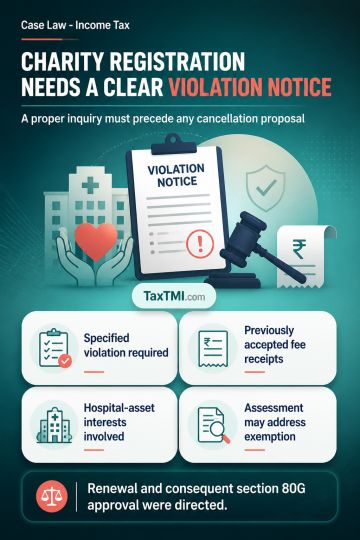
Charitable trust registration requires a specified-violation notice; settled cash deposits and related-party payments did not justify cancellation or ...
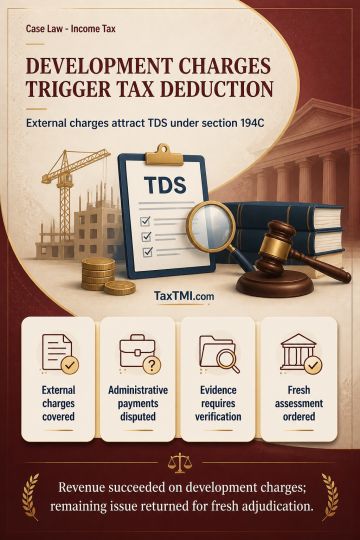
External development charges trigger TDS under section 194C, while disputed administrative payments require factual verification and fresh adjudicatio...
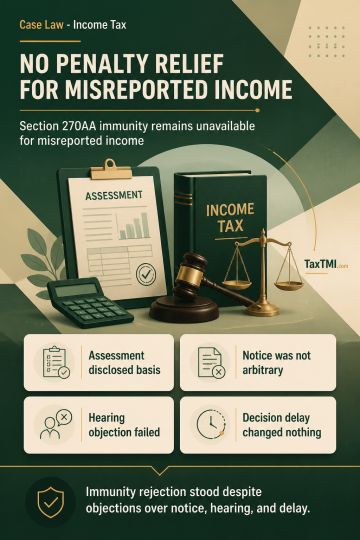
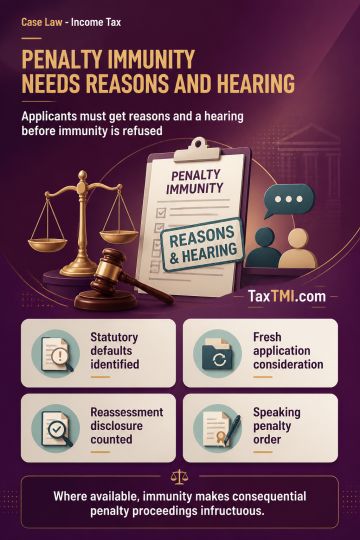
Section 270AA penalty immunity requires identified statutory defaults and a hearing before rejection; reassessment disclosure may constitute under-rep...
Sanction for prosecution of a public servant must be granted by the authority competent to remove the officer; a sanction accorded by a subordinate authority is a jurisdictional defect, rendering the sanction void ab initio and necessitating discharge, which was accordingly upheld and proceedings terminated. The statutory requirement in Section 19(1)(c) of the PC Act is anchored in the constitutional safeguard of Article 311(1), and departmental circulars cannot cure the defect; the curative principle is inapplicable where a superior legal impediment exists (withdrawal of general consent), so no fresh sanction could sustain the prosecution.
Sanction for prosecution of a public servant must be granted by the authority competent to remove the officer; a sanction accorded by a subordinate authority is a jurisdictional defect, rendering the sanction void ab initio and necessitating discharge, which was accordingly upheld and proceedings terminated. The statutory requirement in Section 19(1)(c) of the PC Act is anchored in the constitutional safeguard of Article 311(1), and departmental circulars cannot cure the defect; the curative principle is inapplicable where a superior legal impediment exists (withdrawal of general consent), so no fresh sanction could sustain the prosecution.
Note: It is a system-generated summary and is for quick reference only.
 TaxTMI
  TaxTMI
 of 4826













 Join Channel


