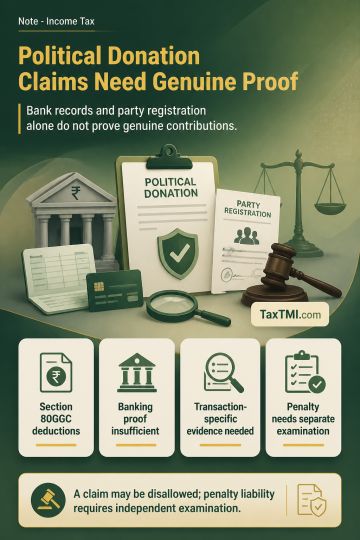
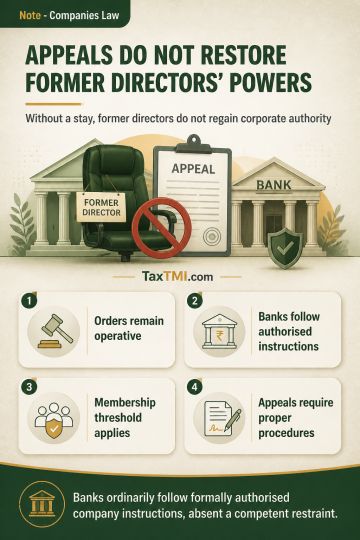
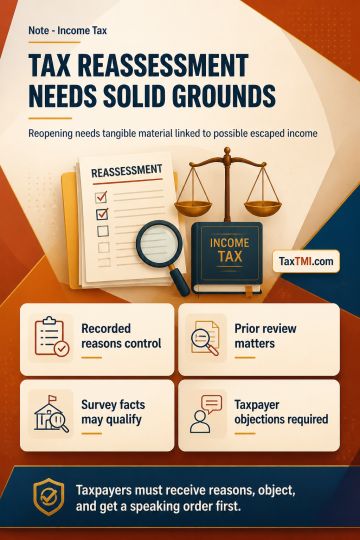
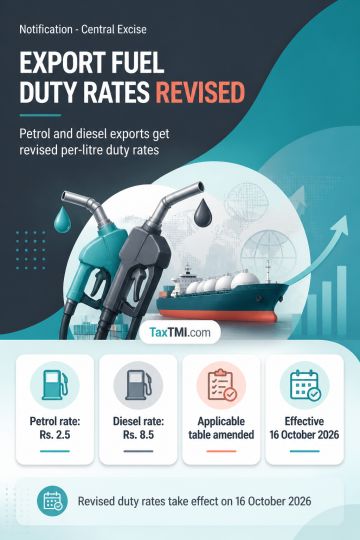
Political contribution deductions require genuine transactions; banking records and party registration alone cannot defeat evidence of accommodation e...
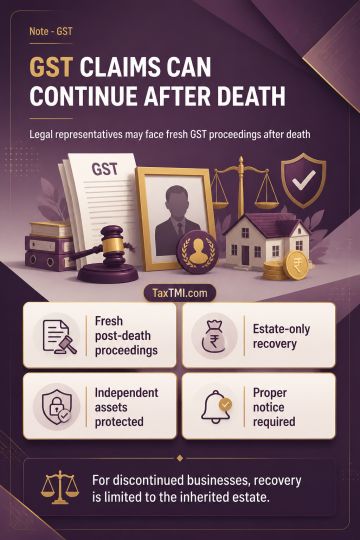
Post-death GST liability permits fresh proceedings against legal representatives, while discontinued-business recovery remains limited to the inherite...
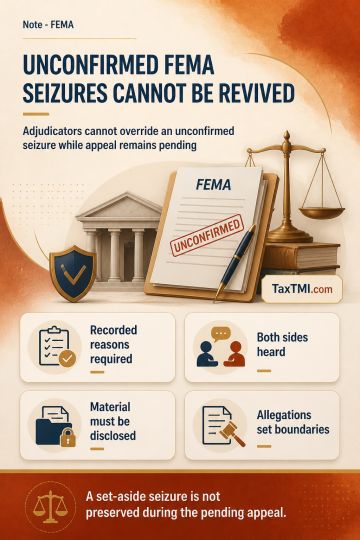
Non-confirmation of FEMA seizure prevents adjudicators from overriding pending appellate findings on recorded reasons and suspected foreign asset hold...
HC determined the arrest unlawful due to failure to comply with Section 50 CrPC's mandate of "forthwith" communication of arrest grounds. The court distinguished between 'grounds of arrest' and 'reasons for arrest', emphasizing that grounds must convey specific facts enabling defense against custodial remand and bail application. While formal arrest occurred at 6:30 PM via arrest memo, the investigating officer's failure to simultaneously serve arrest grounds violated both Section 50 CrPC and Article 22(1) of the Constitution. The court established that "forthwith" requires immediate and concurrent communication of arrest grounds to protect against arbitrary liberty deprivation. The petition challenging the arrest's validity was consequently allowed.
HC determined the arrest unlawful due to failure to comply with Section 50 CrPC's mandate of "forthwith" communication of arrest grounds. The court distinguished between 'grounds of arrest' and 'reasons for arrest', emphasizing that grounds must convey specific facts enabling defense against custodial remand and bail application. While formal arrest occurred at 6:30 PM via arrest memo, the investigating officer's failure to simultaneously serve arrest grounds violated both Section 50 CrPC and Article 22(1) of the Constitution. The court established that "forthwith" requires immediate and concurrent communication of arrest grounds to protect against arbitrary liberty deprivation. The petition challenging the arrest's validity was consequently allowed.
Note: It is a system-generated summary and is for quick reference only.
 TaxTMI
  TaxTMI