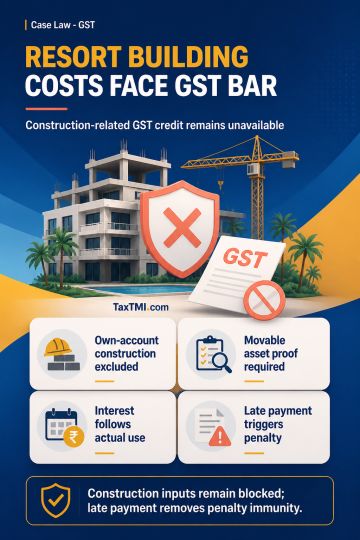
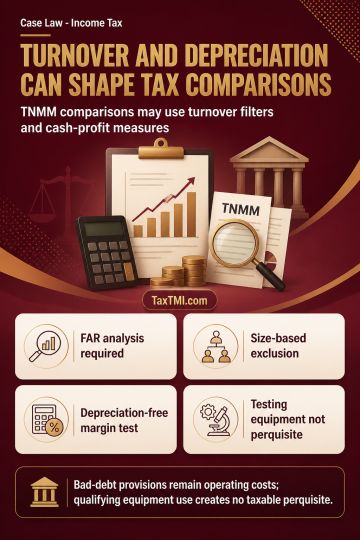
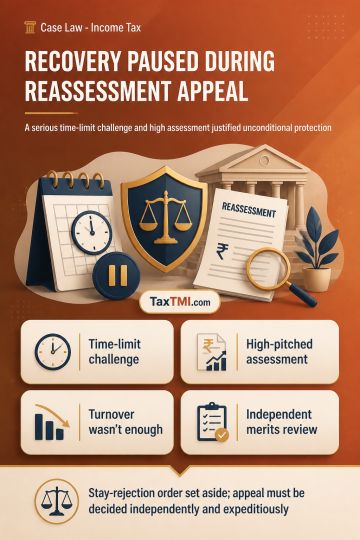
Blocked input tax credit for resort construction remains unavailable; interest follows actual utilisation, while delayed payment attracts statutory pe...
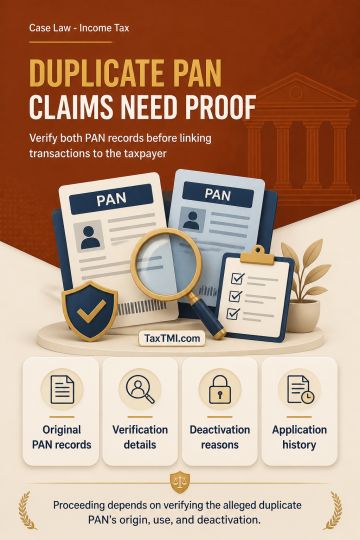
Duplicate PAN allocation requires record verification and deactivation reasons before assessment-related transactions can be attributed to an assessee...
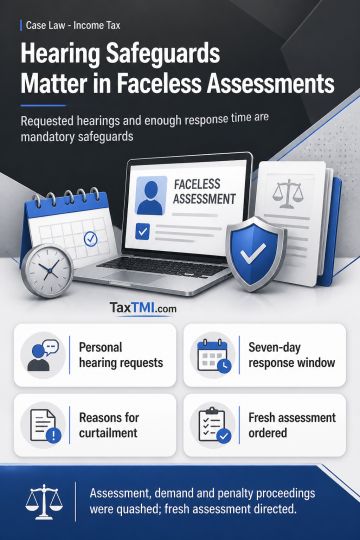
Faceless assessment safeguards require requested personal hearings and adequate final show-cause response time, failing which reassessment is required...
The appellants imported 251.300 MTs of re-rollable scrap on a high sea sales basis and classified it under CTH 7214 1090 as re-rollable scrap. However, the Department treated it as defectives and seconds, denying the benefit of Customs Notification No. 12/2012-Cus. The Tribunal held that seconds and defective steel products refer to non-standard dimensions or downgraded products with surface defects and internal faults. If the imported cargo is meant for sale as defective or second goods, the notification benefit can be denied. Since there was no allegation or finding that the appellants disposed of the cargo as such, and considering they are manufacturers regularly importing scrap for melting and re-rolling, the imported cargo cannot be treated as seconds and defectives. Therefore, the appellants are eligible for the concessional rate of duty under Notification No. 12/2012-Cus. at Sl.No. 330.
The appellants imported 251.300 MTs of re-rollable scrap on a high sea sales basis and classified it under CTH 7214 1090 as re-rollable scrap. However, the Department treated it as defectives and seconds, denying the benefit of Customs Notification No. 12/2012-Cus. The Tribunal held that seconds and defective steel products refer to non-standard dimensions or downgraded products with surface defects and internal faults. If the imported cargo is meant for sale as defective or second goods, the notification benefit can be denied. Since there was no allegation or finding that the appellants disposed of the cargo as such, and considering they are manufacturers regularly importing scrap for melting and re-rolling, the imported cargo cannot be treated as seconds and defectives. Therefore, the appellants are eligible for the concessional rate of duty under Notification No. 12/2012-Cus. at Sl.No. 330.
Note: It is a system-generated summary and is for quick reference only.
 TaxTMI
  TaxTMI