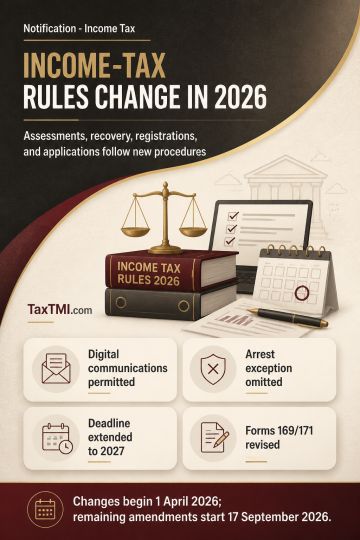
Faceless assessment and registration procedures are updated through electronic communication, revised recovery rules, extended deadlines, and replacem...
Risk-based selective vessel boarding requires accurate declarations and preserves master and agent liability where physical inspections are not select...
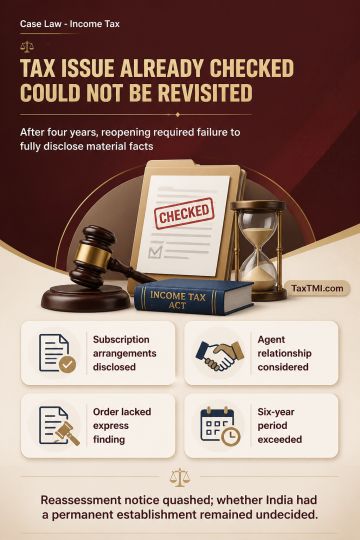
Permanent-establishment reassessment cannot revisit scrutinised disclosures; extended reopening fails without undisclosed material facts and within st...
The National Company Law Appellate Tribunal, Principal Bench, New Delhi, addressed the issue of treatment of VAT/Sales Tax dues as secured or unsecured claims in a liquidation scenario. The Appellant's request to classify its claim as a secured creditor under Section 53 of the Insolvency and Bankruptcy Code was rejected. The Tribunal noted that claims arising from assessment orders during the moratorium period were rightly considered as unsecured operational debt. The Appellant's actions of attaching the corporate debtor's property during the moratorium were found to be in contravention of the Code. The Tribunal emphasized that the 330-day timeline in the Code is directory, not mandatory, and rejected the Appellant's contention that delays in resolution processes should be accepted. Referring to the Rainbow Paper case, the Tribunal highlighted that tax dues under the VAT Act had priority as a first charge, unlike under the Gujarat Sales Tax Act.
The National Company Law Appellate Tribunal, Principal Bench, New Delhi, addressed the issue of treatment of VAT/Sales Tax dues as secured or unsecured claims in a liquidation scenario. The Appellant's request to classify its claim as a secured creditor under Section 53 of the Insolvency and Bankruptcy Code was rejected. The Tribunal noted that claims arising from assessment orders during the moratorium period were rightly considered as unsecured operational debt. The Appellant's actions of attaching the corporate debtor's property during the moratorium were found to be in contravention of the Code. The Tribunal emphasized that the 330-day timeline in the Code is directory, not mandatory, and rejected the Appellant's contention that delays in resolution processes should be accepted. Referring to the Rainbow Paper case, the Tribunal highlighted that tax dues under the VAT Act had priority as a first charge, unlike under the Gujarat Sales Tax Act.
Note: It is a system-generated summary and is for quick reference only.
 TaxTMI
  TaxTMI