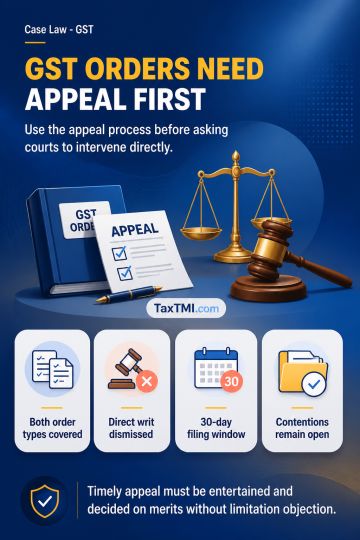
Faceless assessment and registration procedures are updated through electronic communication, revised recovery rules, extended deadlines, and replacem...
Risk-based selective vessel boarding requires accurate declarations and preserves master and agent liability where physical inspections are not select...
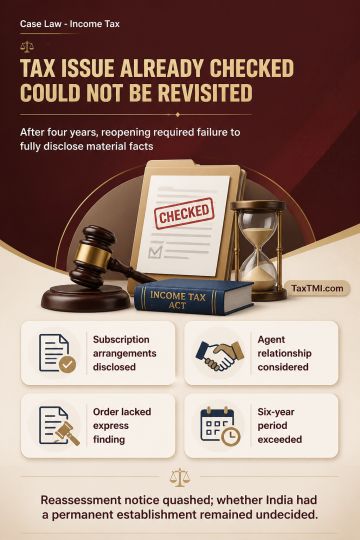
Permanent-establishment reassessment cannot revisit scrutinised disclosures; extended reopening fails without undisclosed material facts and within st...
The Tribunal held that the 10% tolerance band under the stamp valuation framework applies retrospectively as a curative measure, so no addition survived where the difference between agreement value and stamp duty value was only 2.3%. It also accepted that indexation of cost for flat allotment rights runs from the date of the agreement, since rights accrued on execution and not from the dates of later instalments, leading to deletion of the recomputed disallowance. For the unexplained investment issue, the Tribunal found factual verification was needed and remanded the matter to the Assessing Officer after granting adequate hearing.
The Tribunal held that the 10% tolerance band under the stamp valuation framework applies retrospectively as a curative measure, so no addition survived where the difference between agreement value and stamp duty value was only 2.3%. It also accepted that indexation of cost for flat allotment rights runs from the date of the agreement, since rights accrued on execution and not from the dates of later instalments, leading to deletion of the recomputed disallowance. For the unexplained investment issue, the Tribunal found factual verification was needed and remanded the matter to the Assessing Officer after granting adequate hearing.
Note: It is a system-generated summary and is for quick reference only.
 TaxTMI
  TaxTMI