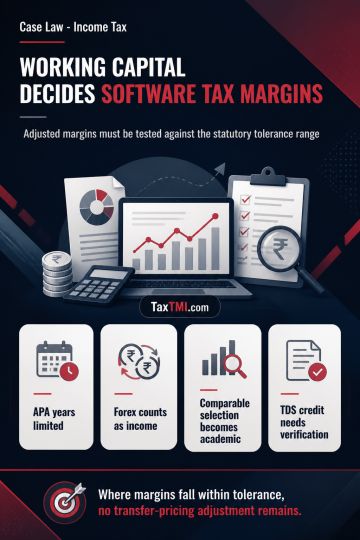
Working-capital adjustment determines whether software-services transfer-pricing margins fall within the statutory tolerance range, eliminating any ad...
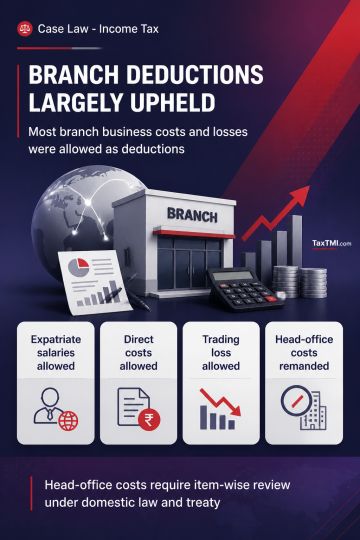
Permanent establishment deductions upheld for expatriate salaries, direct costs and trading losses, while head-office costs require fresh classificati...
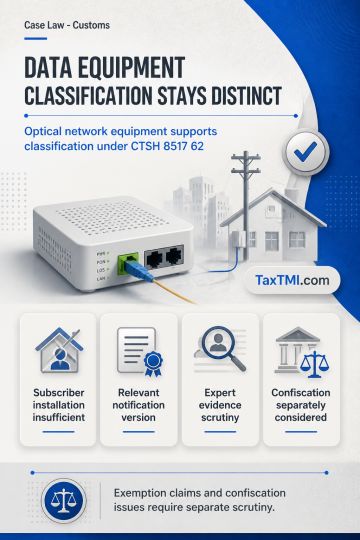
Data transmission equipment classification under CTSH 8517 62 remains distinct from residual classification, with exemption evidence requiring scrutin...
Inordinate delay in filing the first appeal was not condoned because the assessee failed to show sufficient or bona fide cause. The Tribunal found that the explanation of being unaware of the ex parte assessment was unconvincing, noting the failure to file a return even after notice under section 148 and the non-participation in assessment proceedings, which showed negligence and a lackadaisical approach. Applying the principle that sufficient cause does not extend to inaction, negligence or absence of bona fides, it upheld the CIT(A)'s refusal to exercise discretion under section 249(3) and sustained dismissal of the appeal as time-barred.
Inordinate delay in filing the first appeal was not condoned because the assessee failed to show sufficient or bona fide cause. The Tribunal found that the explanation of being unaware of the ex parte assessment was unconvincing, noting the failure to file a return even after notice under section 148 and the non-participation in assessment proceedings, which showed negligence and a lackadaisical approach. Applying the principle that sufficient cause does not extend to inaction, negligence or absence of bona fides, it upheld the CIT(A)'s refusal to exercise discretion under section 249(3) and sustained dismissal of the appeal as time-barred.
Note: It is a system-generated summary and is for quick reference only.
 TaxTMI
 of 4805








 Join Channel


 TaxTMI