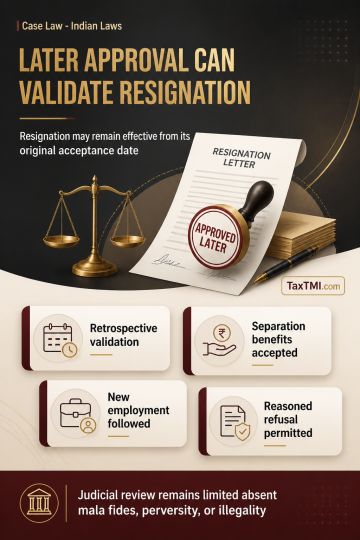
Ratification of resignation acceptance validates separation retrospectively, while withdrawal may be refused through reasoned administrative discretio...
Nature-dependent electricity contracts receive new Ind AS accounting, hedge designation, transition and financial-statement disclosure requirements fr...
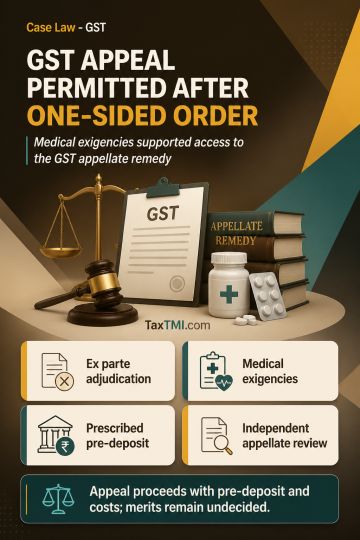
Alternative GST remedy permitted protective writ intervention for ex parte adjudication, preserving independent appellate review of input tax credit d...
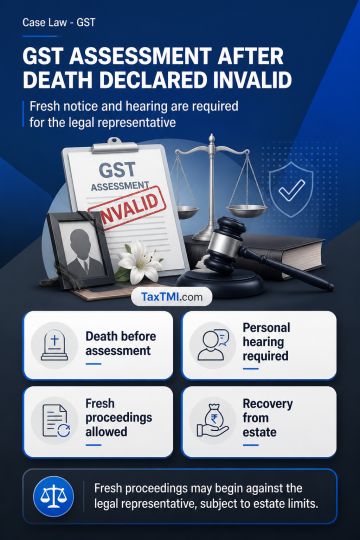
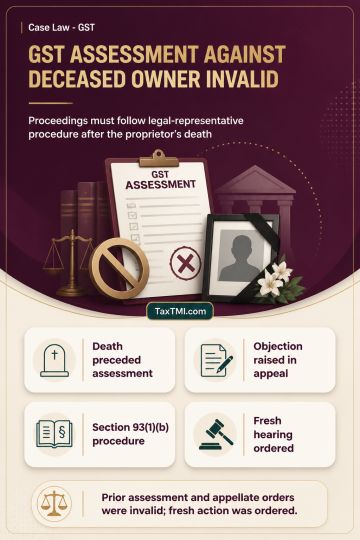
Assessment against deceased sole proprietor requires proceedings against the legal representative, rendering prior assessment and appellate orders inv...
Residential waste collection classification under SAC 999423 defeats composite-supply exemption where facilitating goods are not transferred to the lo...
Recall of an order passed on merits was held impermissible where the appellant had participated through counsel, advanced submissions, and was effectively on notice; the plea of non-impleadment, absence of notice and denial of hearing was rejected because no apparent procedural flaw attributable to the Tribunal was shown. The Tribunal held that recall cannot be used to reopen a merits-based order after hearing. The separate appeal against the original order was also held time-barred under the IBC, and exclusion of time under Section 14 of the Limitation Act was denied because the recall and writ proceedings could not be used to bypass the statutory appeal period. The delay condonation plea was rejected.
Recall of an order passed on merits was held impermissible where the appellant had participated through counsel, advanced submissions, and was effectively on notice; the plea of non-impleadment, absence of notice and denial of hearing was rejected because no apparent procedural flaw attributable to the Tribunal was shown. The Tribunal held that recall cannot be used to reopen a merits-based order after hearing. The separate appeal against the original order was also held time-barred under the IBC, and exclusion of time under Section 14 of the Limitation Act was denied because the recall and writ proceedings could not be used to bypass the statutory appeal period. The delay condonation plea was rejected.
Note: It is a system-generated summary and is for quick reference only.
 TaxTMI
  TaxTMI
 of 4813







 Join Channel


