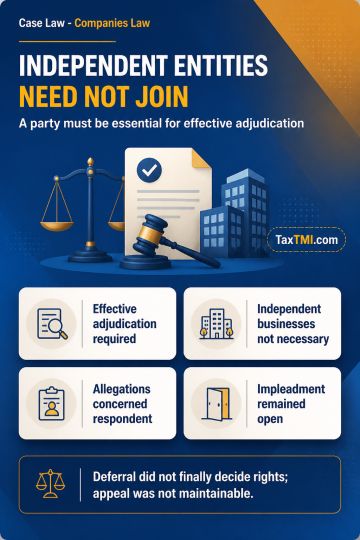
Necessary-party requirements limit impleadment of independent entities, while deferred consideration does not create an appealable adverse determinati...
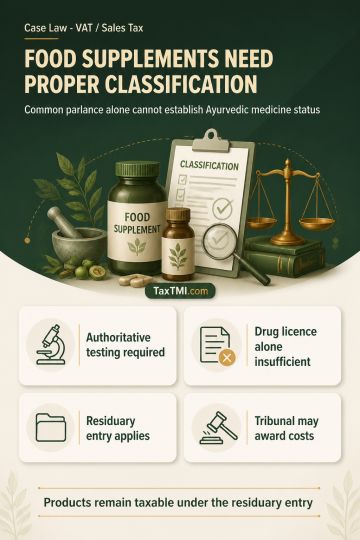
Food supplement classification requires common parlance and authoritative tests, preventing treatment as proprietary Ayurvedic medicines without suppo...
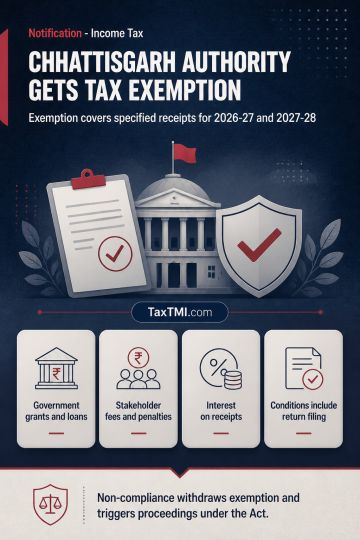
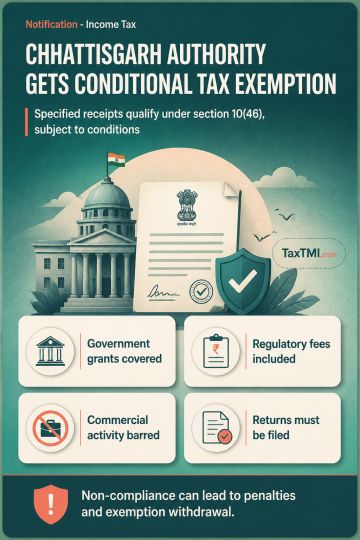
Specified regulatory authority income receives conditional tax exemption, subject to non-commercial activity, unchanged income character, and return f...
Tax exemption for regulatory authority income applies retrospectively, subject to non-commercial activity, unchanged income sources, and return-filing...
Input tax credit conditions remain constitutionally valid, with eligible recipient claims considered under GST circulars and retrospective filing dead...
Page of 4809
Press 'Enter' after typing page number.
861 to 880 of 96174 Results
❮
❯
❯❯
0 / 200
Expand Note
Add to Folder
No Folders have been created
+
Are you sure you want to delete "My most important" ?
FDI received as equity or preferential capital was treated as investment in securities, not borrowing in rupees, so the borrowing-and-lending regulations did not apply to the alleged use of funds. Adverse findings on downstream investment and the TISPRO regime were also unsustainable where the show cause notices did not set out the necessary factual basis and the alleged recipient was a society, not another Indian company. FDI-in-trust restrictions were inapplicable on the record, and Section 6(3)(e) did not cover the transactions. Once the company-level contravention failed, the vicarious penalty on the managing director under FEMA also fell away.
FDI received as equity or preferential capital was treated as investment in securities, not borrowing in rupees, so the borrowing-and-lending regulations did not apply to the alleged use of funds. Adverse findings on downstream investment and the TISPRO regime were also unsustainable where the show cause notices did not set out the necessary factual basis and the alleged recipient was a society, not another Indian company. FDI-in-trust restrictions were inapplicable on the record, and Section 6(3)(e) did not cover the transactions. Once the company-level contravention failed, the vicarious penalty on the managing director under FEMA also fell away.
Note: It is a system-generated summary and is for quick reference only.
 TaxTMI
  TaxTMI
 of 4809











 Join Channel