Judicial review of settlement orders cannot reopen settled customs notices, while statutory interest remains subject to verification and quantificatio...
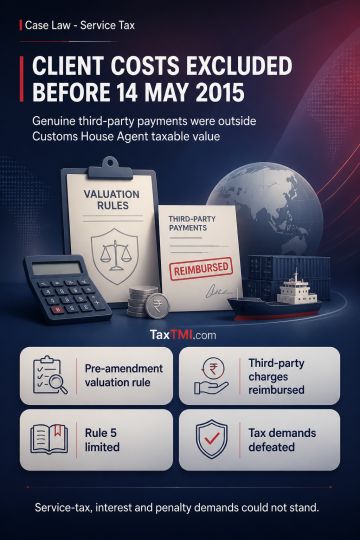
Customs Broker licence lending for consideration justified revocation where exporter authorisation and client verification obligations were also breac...
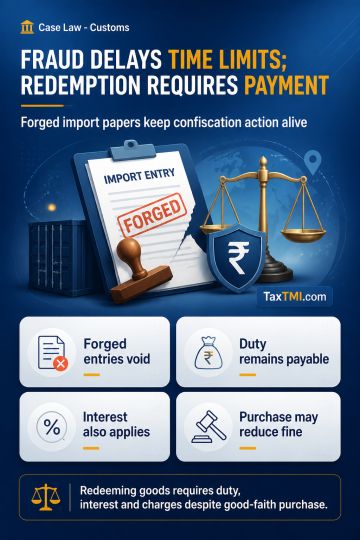
Fraudulent import documents suspend limitation protection, while redemption of confiscated goods requires duty and interest despite bona fide purchase...
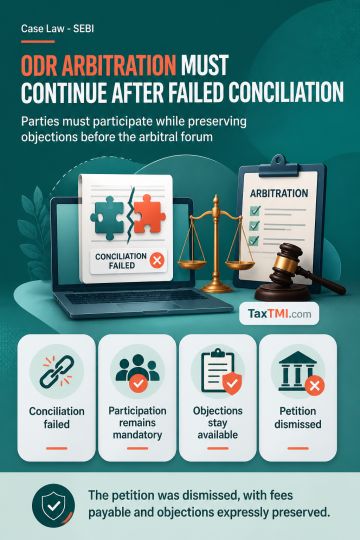
ODR arbitration participation remains mandatory after failed conciliation, while jurisdictional and maintainability objections stay available before t...
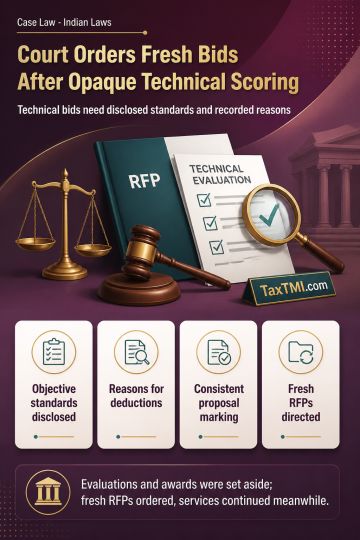
Transparency in technical bid evaluation requires disclosed standards and recorded reasons; opaque scoring invalidated tender awards and required fres...
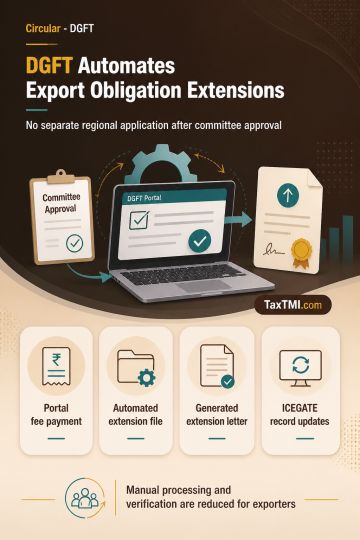
Automated export obligation extensions remove separate regional applications after committee approval for Advance Authorisation and EPCG authorisation...
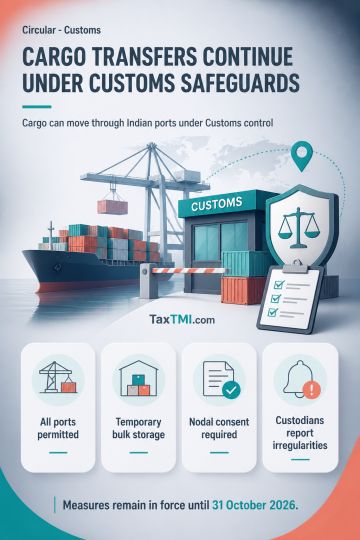
International cargo transhipment through Indian ports continues with Customs-controlled storage, re-export safeguards, and coordinated multi-station m...
GSTAT has classified GST appeals into three categories and mapped them to Single, Division and designated benches. Matters below the specified threshold and not involving a question of law are to be placed before a Single Bench, while pending and future matters before the Principal and State Benches are to be listed first before a Division Bench, which may remit cases lacking a question of law for further directions. Category I covers core classification, valuation, input tax credit, registration and tax-liability disputes; Category II covers registration, composition, recovery, refund, assessment and related matters; Category III covers seizure, confiscation, rectification, penalty, compounding and residual matters. The order also assigns member combinations, hearing days and travel/daily expense entitlements for members posted away from their normal station.
GSTAT has classified GST appeals into three categories and mapped them to Single, Division and designated benches. Matters below the specified threshold and not involving a question of law are to be placed before a Single Bench, while pending and future matters before the Principal and State Benches are to be listed first before a Division Bench, which may remit cases lacking a question of law for further directions. Category I covers core classification, valuation, input tax credit, registration and tax-liability disputes; Category II covers registration, composition, recovery, refund, assessment and related matters; Category III covers seizure, confiscation, rectification, penalty, compounding and residual matters. The order also assigns member combinations, hearing days and travel/daily expense entitlements for members posted away from their normal station.
Note: It is a system-generated summary and is for quick reference only.
 TaxTMI
  TaxTMI
 of 4817













 Join Channel