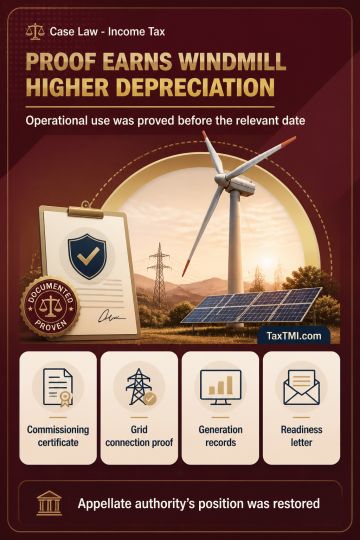
Windmill commissioning evidence supported higher depreciation where grid connection and electricity generation proved operational use before the relev...
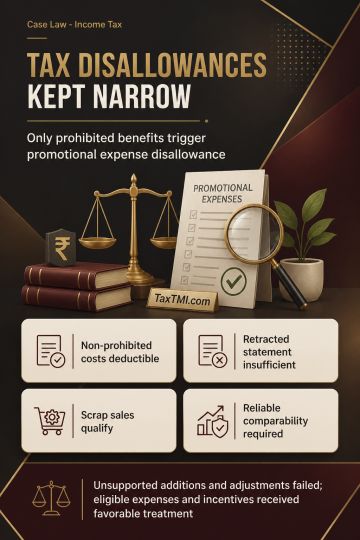
Pharmaceutical promotion and transfer-pricing comparability principles limited disallowances, while uncorroborated search allegations and unsupported ...
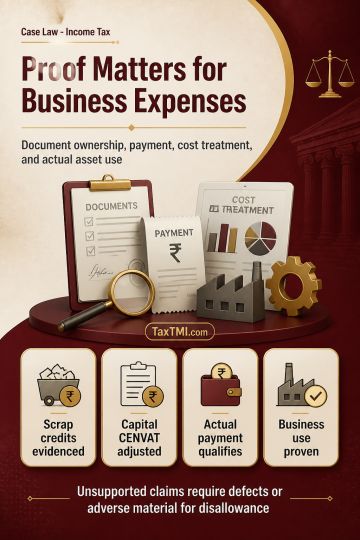
Business expenditure substantiation supports scrap credits, statutory payments and expense claims, while depreciation requires proof of actual busines...
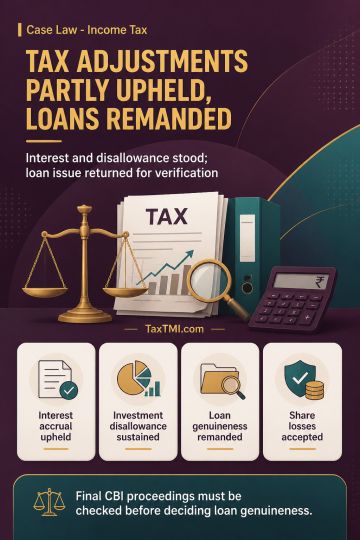
The Tribunal applied the real income principle and held that gross interest was not taxable in the assessee's hands because he merely facilitated funding, the lenders advanced money directly to the company, and interest was paid directly by the company to those lenders. The addition on that component was deleted. On the TDS credit claim, the Tribunal held that once credit was claimed in the assessee's name, he had to prove with documentary evidence that the corresponding benefit had been passed on to the actual lenders. As no bank trail, reconciliation, or other proof was produced, the TDS-related amount remained unexplained and the addition was sustained to that extent.
The Tribunal applied the real income principle and held that gross interest was not taxable in the assessee's hands because he merely facilitated funding, the lenders advanced money directly to the company, and interest was paid directly by the company to those lenders. The addition on that component was deleted. On the TDS credit claim, the Tribunal held that once credit was claimed in the assessee's name, he had to prove with documentary evidence that the corresponding benefit had been passed on to the actual lenders. As no bank trail, reconciliation, or other proof was produced, the TDS-related amount remained unexplained and the addition was sustained to that extent.
Note: It is a system-generated summary and is for quick reference only.
 TaxTMI
  TaxTMI
 of 4811











 Join Channel


