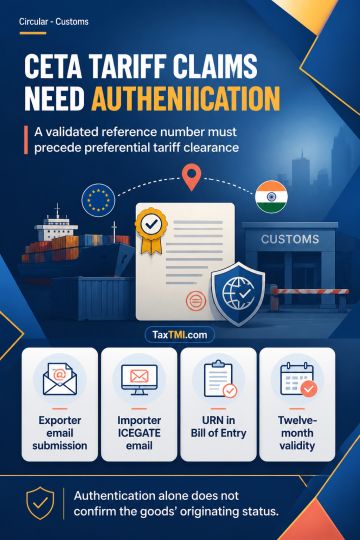
Origin Declaration authentication governs preferential tariff claims under India-UK CETA, requiring a validated reference number before import clearan...
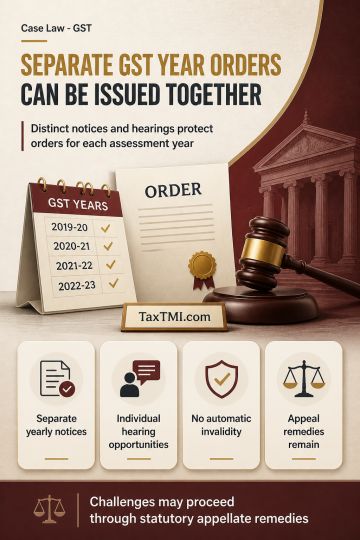
Separate assessment orders for different years remain valid when distinct notices and hearing opportunities prevent prejudice from combined proceeding...
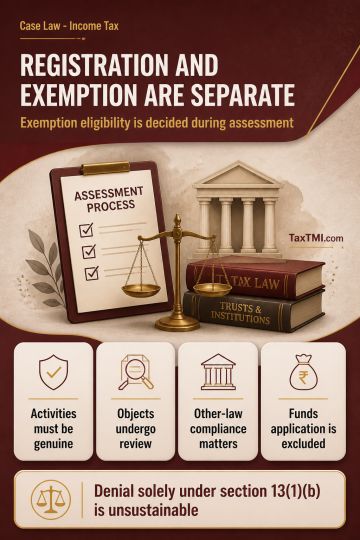
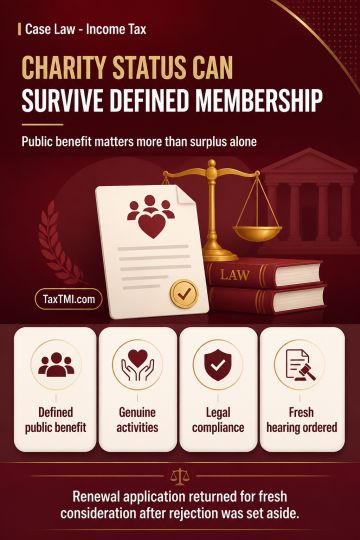
Defined public benefit can retain charitable character; registration renewal requires examining genuine activities and legal compliance, not surplus a...
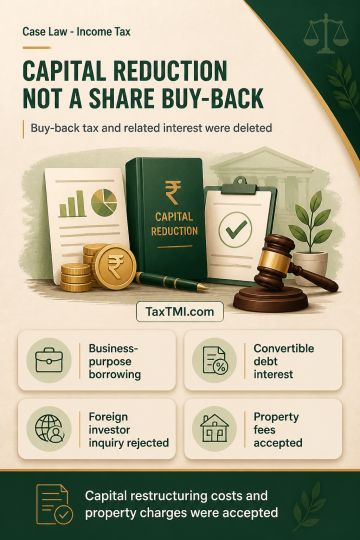
Capital reduction is distinct from share buy-back, preventing buy-back tax; restructuring interest and related business deductions also survive scruti...
The High Court held that an Assessing Officer could not invoke Section 154 of the Income-tax Act, 1961 to rectify a determination made by the Principal Commissioner under Section 5(2) of the Direct Tax Vivad se Vishwas Act, 2020. The scheme itself contains no rectification power, and Section 5(3) makes the amount determined and the order passed under the scheme final and conclusive. As the Act of 2020 does not apply the rectification provisions of the Income-tax Act to such determinations, the rectification order was without authority and was quashed.
The High Court held that an Assessing Officer could not invoke Section 154 of the Income-tax Act, 1961 to rectify a determination made by the Principal Commissioner under Section 5(2) of the Direct Tax Vivad se Vishwas Act, 2020. The scheme itself contains no rectification power, and Section 5(3) makes the amount determined and the order passed under the scheme final and conclusive. As the Act of 2020 does not apply the rectification provisions of the Income-tax Act to such determinations, the rectification order was without authority and was quashed.
Note: It is a system-generated summary and is for quick reference only.
 TaxTMI
  TaxTMI
 of 4811








 Join Channel




