Vicarious liability for dishonoured company cheques may extend to non-signatory directors where complaints contain foundational responsibility avermen...
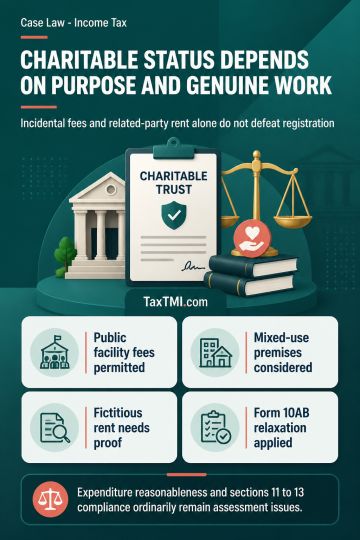
Charitable registration turns on predominant purpose and genuine activities, while incidental fees and related-party rent require supporting adverse m...
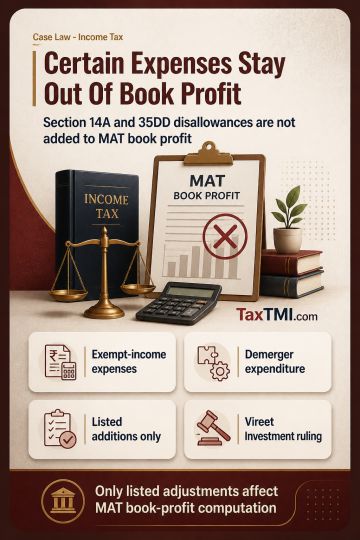
MAT book-profit adjustments exclude disallowances for exempt-income expenditure and demerger expenditure unless expressly listed under the statutory c...
The High Court held that an Assessing Officer could not invoke Section 154 of the Income-tax Act, 1961 to rectify a determination made by the Principal Commissioner under Section 5(2) of the Direct Tax Vivad se Vishwas Act, 2020. The scheme itself contains no rectification power, and Section 5(3) makes the amount determined and the order passed under the scheme final and conclusive. As the Act of 2020 does not apply the rectification provisions of the Income-tax Act to such determinations, the rectification order was without authority and was quashed.
The High Court held that an Assessing Officer could not invoke Section 154 of the Income-tax Act, 1961 to rectify a determination made by the Principal Commissioner under Section 5(2) of the Direct Tax Vivad se Vishwas Act, 2020. The scheme itself contains no rectification power, and Section 5(3) makes the amount determined and the order passed under the scheme final and conclusive. As the Act of 2020 does not apply the rectification provisions of the Income-tax Act to such determinations, the rectification order was without authority and was quashed.
Note: It is a system-generated summary and is for quick reference only.
 TaxTMI
  TaxTMI
 of 4817





 Join Channel


