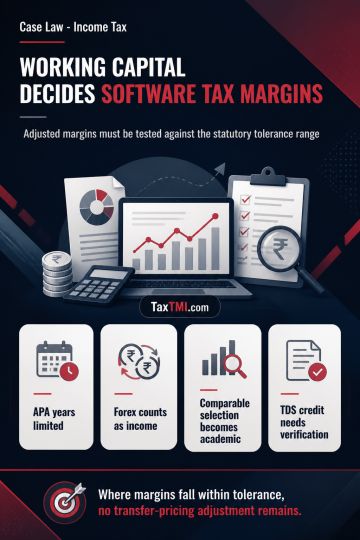
Working-capital adjustment determines whether software-services transfer-pricing margins fall within the statutory tolerance range, eliminating any ad...
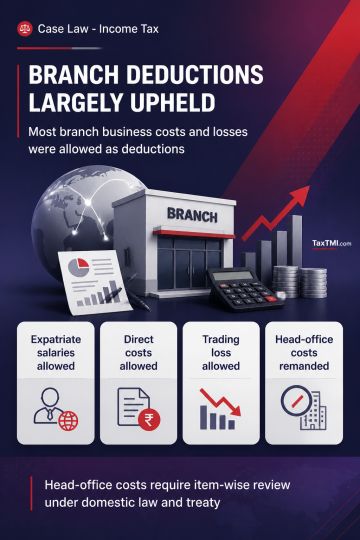
Permanent establishment deductions upheld for expatriate salaries, direct costs and trading losses, while head-office costs require fresh classificati...
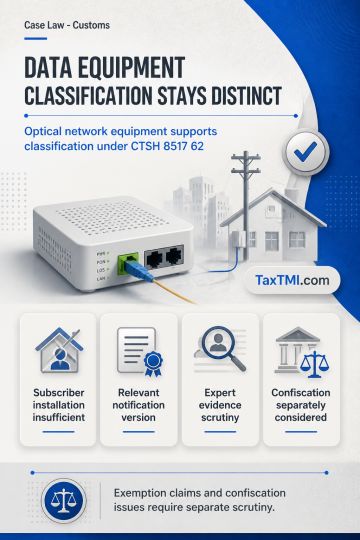
Data transmission equipment classification under CTSH 8517 62 remains distinct from residual classification, with exemption evidence requiring scrutin...
Limitation for an appeal under the Insolvency and Bankruptcy Code runs from the date the impugned order is pronounced in open court, not from the date it is uploaded, received, or actually known to the appellant. Where pronouncement is established, a party must act diligently, apply for a certified copy, and can claim only the statutory exclusion for time requisite to obtain it. The appellate tribunal also reiterated that the condonable period under the appeal provision is strictly confined to thirty days plus a further fifteen days; no equitable extension is available beyond that outer limit. On that basis, both appeals filed after the limit were treated as time-barred and the delay applications were rejected.
Limitation for an appeal under the Insolvency and Bankruptcy Code runs from the date the impugned order is pronounced in open court, not from the date it is uploaded, received, or actually known to the appellant. Where pronouncement is established, a party must act diligently, apply for a certified copy, and can claim only the statutory exclusion for time requisite to obtain it. The appellate tribunal also reiterated that the condonable period under the appeal provision is strictly confined to thirty days plus a further fifteen days; no equitable extension is available beyond that outer limit. On that basis, both appeals filed after the limit were treated as time-barred and the delay applications were rejected.
Note: It is a system-generated summary and is for quick reference only.
 TaxTMI
  TaxTMI
 of 4814




 Join Channel