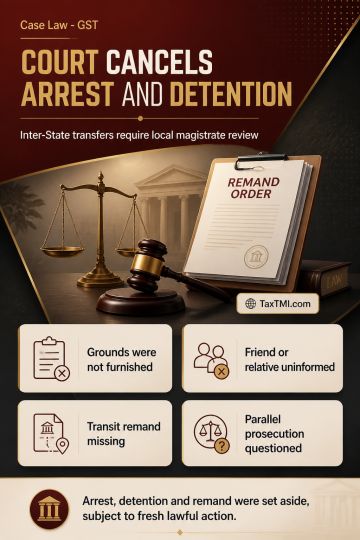
Arrest safeguards and transit remand requirements invalidated detention following inter-State transfer without communicated grounds or magistrate auth...
Arrest safeguards require disclosed grounds, relative intimation and transit remand, while duplicate prosecution under the CGST framework is unsustain...
Document Identification Number defects can invalidate GST assessments, with delayed challenges entertained conditionally where patent irregularities e...
Windmill commissioning evidence supported higher depreciation where grid connection and electricity generation proved operational use before the relev...
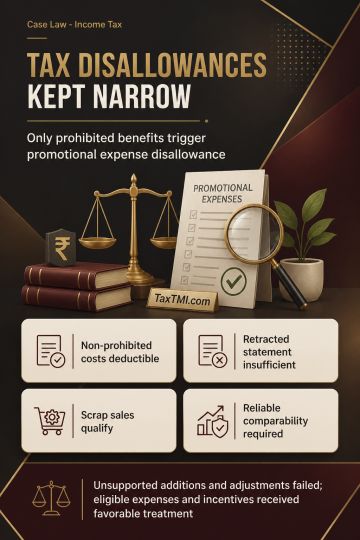
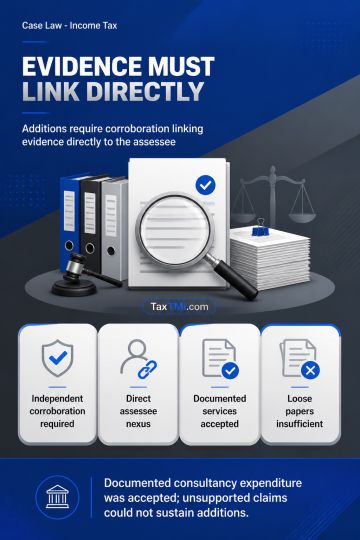
Pharmaceutical promotion and transfer-pricing comparability principles limited disallowances, while uncorroborated search allegations and unsupported ...
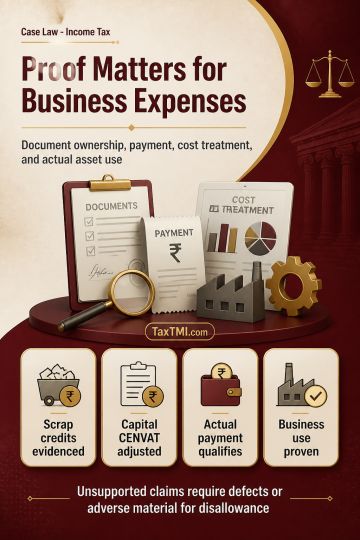
Business expenditure substantiation supports scrap credits, statutory payments and expense claims, while depreciation requires proof of actual busines...
Limitation for an appeal under the Insolvency and Bankruptcy Code runs from the date the impugned order is pronounced in open court, not from the date it is uploaded, received, or actually known to the appellant. Where pronouncement is established, a party must act diligently, apply for a certified copy, and can claim only the statutory exclusion for time requisite to obtain it. The appellate tribunal also reiterated that the condonable period under the appeal provision is strictly confined to thirty days plus a further fifteen days; no equitable extension is available beyond that outer limit. On that basis, both appeals filed after the limit were treated as time-barred and the delay applications were rejected.
Limitation for an appeal under the Insolvency and Bankruptcy Code runs from the date the impugned order is pronounced in open court, not from the date it is uploaded, received, or actually known to the appellant. Where pronouncement is established, a party must act diligently, apply for a certified copy, and can claim only the statutory exclusion for time requisite to obtain it. The appellate tribunal also reiterated that the condonable period under the appeal provision is strictly confined to thirty days plus a further fifteen days; no equitable extension is available beyond that outer limit. On that basis, both appeals filed after the limit were treated as time-barred and the delay applications were rejected.
Note: It is a system-generated summary and is for quick reference only.
 TaxTMI
  TaxTMI
 of 4817








 Join Channel