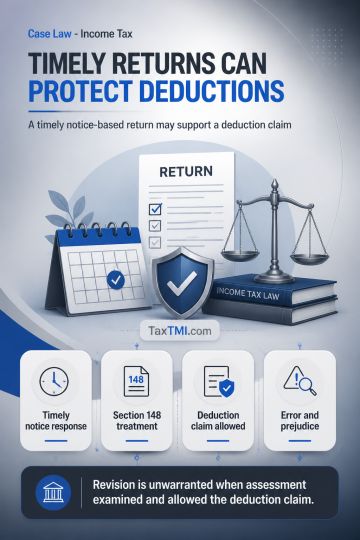
Commercial vehicle depreciation, scientifically determined warranty provisions and exempt-income disallowances were resolved in favour of the taxpayer...
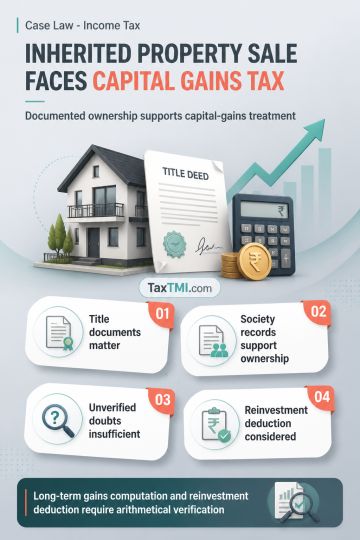
Inherited property sale proceeds require capital-gains treatment where ownership is supported by evidence, not suspicion or unverified signature doubt...
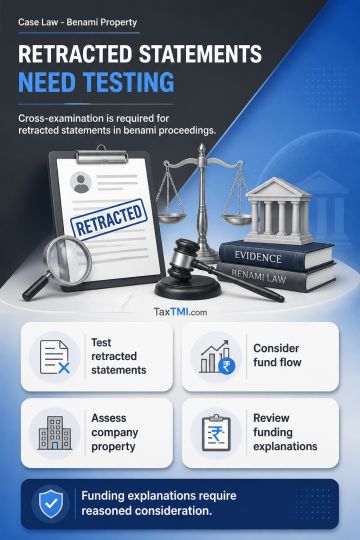
Cross-examination of retracted statements is essential where foundational evidence supports a benami allegation and documented funding explanations re...
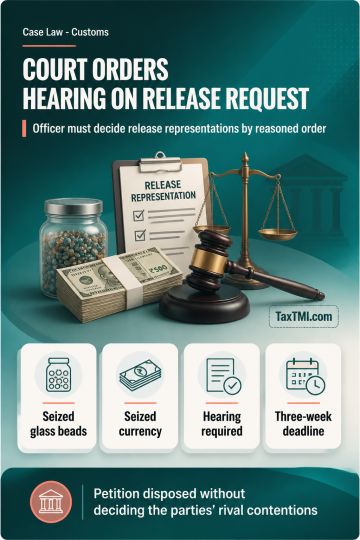
Capital-goods exemption covers plant-modernisation accessories, while the import restriction applies only to earlier capital-goods components and spar...
Page of 4819
Press 'Enter' after typing page number.
781 to 800 of 96365 Results
❮
❯
❯❯
0 / 200
Expand Note
Add to Folder
No Folders have been created
+
Are you sure you want to delete "My most important" ?
Limitation for an appeal under the Insolvency and Bankruptcy Code runs from the date the impugned order is pronounced in open court, not from the date it is uploaded, received, or actually known to the appellant. Where pronouncement is established, a party must act diligently, apply for a certified copy, and can claim only the statutory exclusion for time requisite to obtain it. The appellate tribunal also reiterated that the condonable period under the appeal provision is strictly confined to thirty days plus a further fifteen days; no equitable extension is available beyond that outer limit. On that basis, both appeals filed after the limit were treated as time-barred and the delay applications were rejected.
Limitation for an appeal under the Insolvency and Bankruptcy Code runs from the date the impugned order is pronounced in open court, not from the date it is uploaded, received, or actually known to the appellant. Where pronouncement is established, a party must act diligently, apply for a certified copy, and can claim only the statutory exclusion for time requisite to obtain it. The appellate tribunal also reiterated that the condonable period under the appeal provision is strictly confined to thirty days plus a further fifteen days; no equitable extension is available beyond that outer limit. On that basis, both appeals filed after the limit were treated as time-barred and the delay applications were rejected.
Note: It is a system-generated summary and is for quick reference only.
 TaxTMI
  TaxTMI
 of 4819







 Join Channel