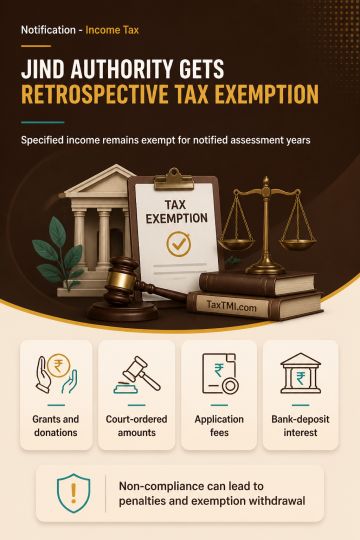
Tax exemption for specified legal-services authority income applies retrospectively, subject to non-commercial activity, unchanged income sources, and...
Approved resolution plans extinguish unsubmitted pre-approval tax claims, preventing later recovery outside the insolvency process and preserving a cl...
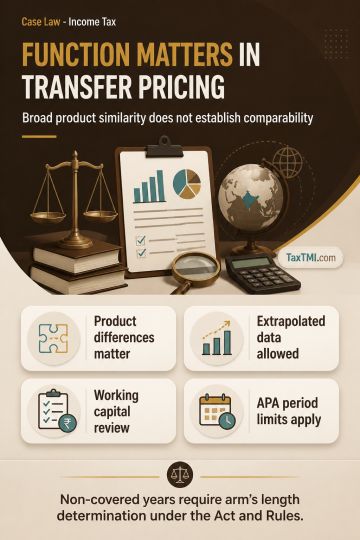
Transfer pricing comparability requires functional alignment and permits working capital adjustment, while APA margins cannot govern non-covered years...
GST proceedings initiated against an amalgamating company after the scheme of merger took effect were void ab initio because the entity had ceased to exist in law. The Court held that once the merger was intimated to the GST authorities, a show-cause notice and any consequential order could not validly be issued against the non-existent company, as this was a jurisdictional defect. Section 87 of the CGST Act was confined to the interregnum between the effective date of amalgamation and the date of the order, and did not authorise proceedings against a dissolved entity after merger. The impugned order was therefore unsustainable and the petition was allowed.
GST proceedings initiated against an amalgamating company after the scheme of merger took effect were void ab initio because the entity had ceased to exist in law. The Court held that once the merger was intimated to the GST authorities, a show-cause notice and any consequential order could not validly be issued against the non-existent company, as this was a jurisdictional defect. Section 87 of the CGST Act was confined to the interregnum between the effective date of amalgamation and the date of the order, and did not authorise proceedings against a dissolved entity after merger. The impugned order was therefore unsustainable and the petition was allowed.
Note: It is a system-generated summary and is for quick reference only.
 TaxTMI
 of 4798









 Join Channel


 TaxTMI
