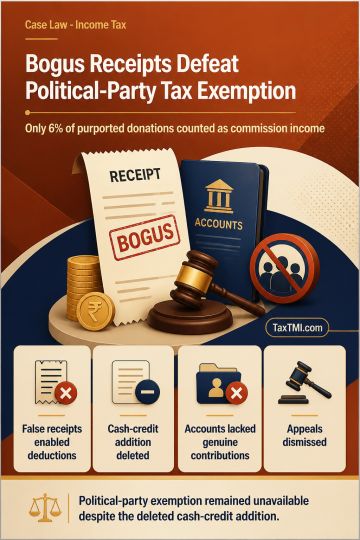
Bogus donation receipts justified commission income assessment and defeated political-party tax exemption for inaccurate accounts and reporting failur...
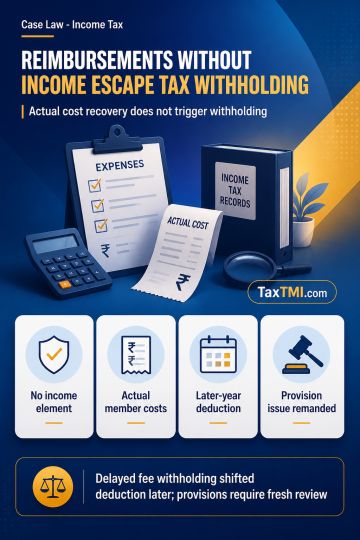
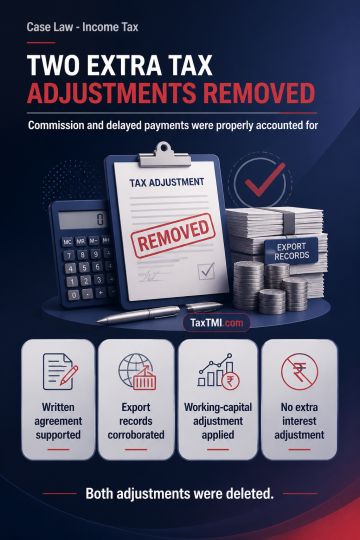
Pure reimbursement without income element escapes tax withholding, while delayed withholding and unsupported provisions face deferred or renewed scrut...
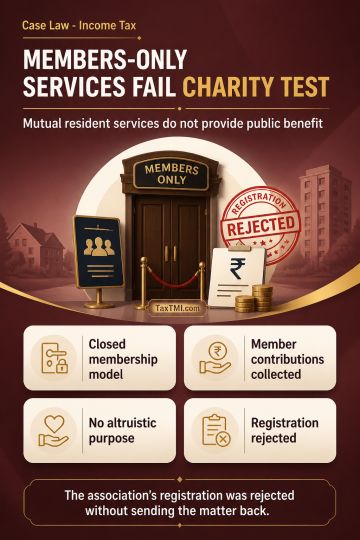
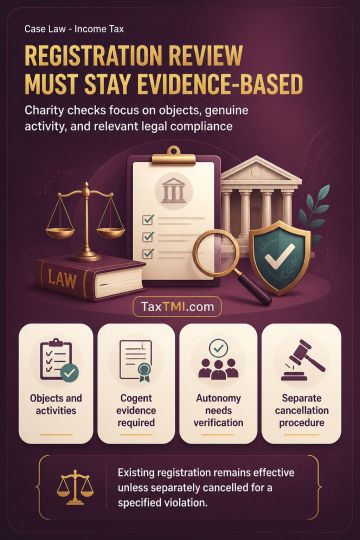
Public benefit requirement defeats charitable registration where residents' association services are reciprocal, member-only facilities governed by mu...
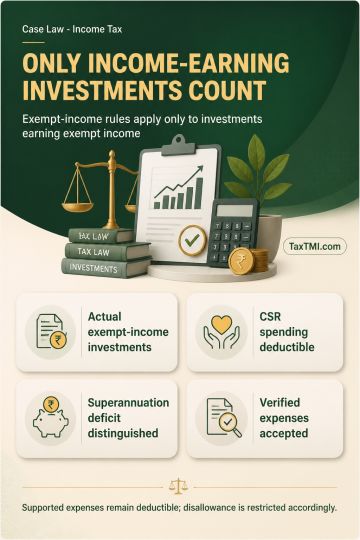
Exempt-income expenditure disallowance is confined to investments that actually generated exempt income, while supported business expenses remain dedu...
GST proceedings initiated against an amalgamating company after the scheme of merger took effect were void ab initio because the entity had ceased to exist in law. The Court held that once the merger was intimated to the GST authorities, a show-cause notice and any consequential order could not validly be issued against the non-existent company, as this was a jurisdictional defect. Section 87 of the CGST Act was confined to the interregnum between the effective date of amalgamation and the date of the order, and did not authorise proceedings against a dissolved entity after merger. The impugned order was therefore unsustainable and the petition was allowed.
GST proceedings initiated against an amalgamating company after the scheme of merger took effect were void ab initio because the entity had ceased to exist in law. The Court held that once the merger was intimated to the GST authorities, a show-cause notice and any consequential order could not validly be issued against the non-existent company, as this was a jurisdictional defect. Section 87 of the CGST Act was confined to the interregnum between the effective date of amalgamation and the date of the order, and did not authorise proceedings against a dissolved entity after merger. The impugned order was therefore unsustainable and the petition was allowed.
Note: It is a system-generated summary and is for quick reference only.
 TaxTMI
 of 4792



 Join Channel


 TaxTMI