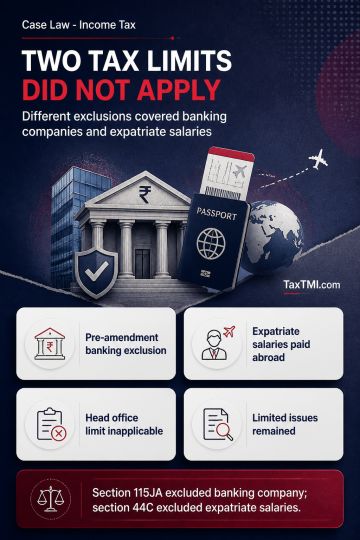
Minimum alternate tax exclusions for pre-amendment banking companies and expatriate Indian branch salaries remain outside head office expenditure limi...
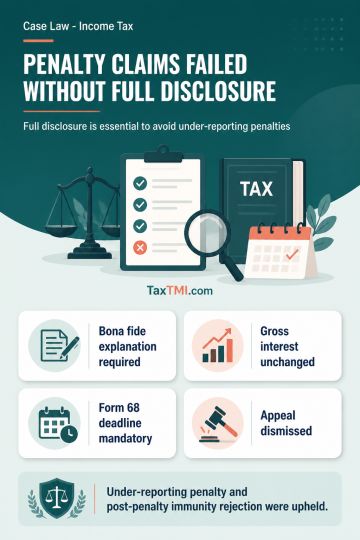
Bona fide disclosure requirements govern under-reporting penalties, and post-penalty immunity applications cannot secure available statutory protectio...
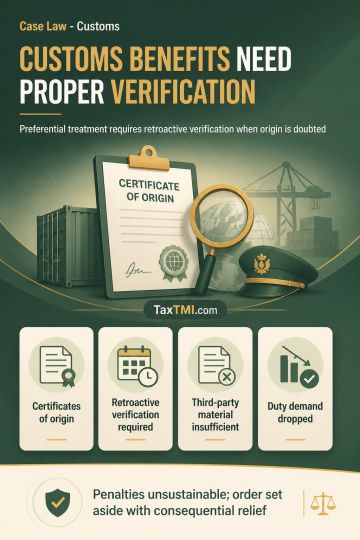
Certificate-of-origin verification procedure governs preferential customs benefits; denial without retroactive verification was set aside with consequ...
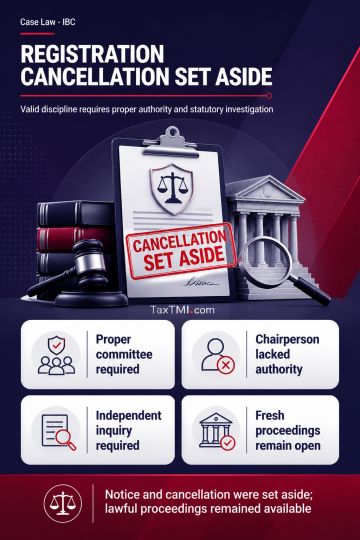
Disciplinary Committee jurisdiction and mandatory investigation requirements invalidated cancellation of an insolvency professional's registration and...
Recall under Rule 11 of the NCLT Rules was held confined to apparent procedural or similar infirmity in the order itself and could not be used to reopen a merits decision. The Tribunal treated a recall application based on later-discovered documents as a disguised attempt to seek review, which the Code does not permit, and held that subsequent material cannot justify recalling an order passed on merits. It also held that once the original section 9 order had been affirmed in appeal, it could not thereafter be reopened by recall. The appeal was dismissed and rejection of the recall application upheld.
Recall under Rule 11 of the NCLT Rules was held confined to apparent procedural or similar infirmity in the order itself and could not be used to reopen a merits decision. The Tribunal treated a recall application based on later-discovered documents as a disguised attempt to seek review, which the Code does not permit, and held that subsequent material cannot justify recalling an order passed on merits. It also held that once the original section 9 order had been affirmed in appeal, it could not thereafter be reopened by recall. The appeal was dismissed and rejection of the recall application upheld.
Note: It is a system-generated summary and is for quick reference only.
 TaxTMI
  TaxTMI
 of 4816







 Join Channel