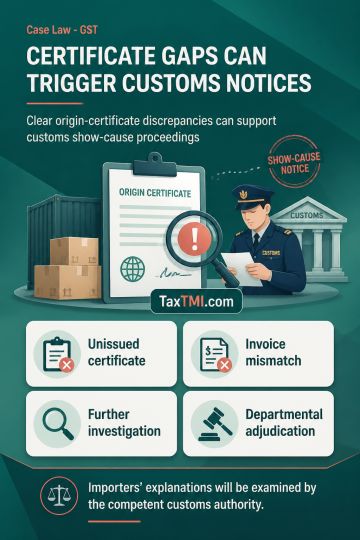
Jurisdictional facts in certificate-of-origin discrepancies can support customs show-cause proceedings, leaving factual explanations for departmental ...
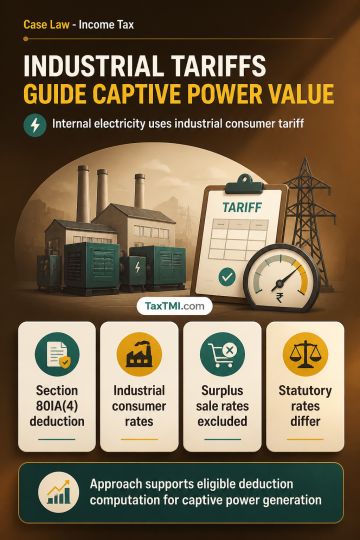
Market value for captive electricity consumption follows industrial consumer tariffs, supporting profit computation for the power generation deduction...
Recall under Rule 11 of the NCLT Rules was held confined to apparent procedural or similar infirmity in the order itself and could not be used to reopen a merits decision. The Tribunal treated a recall application based on later-discovered documents as a disguised attempt to seek review, which the Code does not permit, and held that subsequent material cannot justify recalling an order passed on merits. It also held that once the original section 9 order had been affirmed in appeal, it could not thereafter be reopened by recall. The appeal was dismissed and rejection of the recall application upheld.
Recall under Rule 11 of the NCLT Rules was held confined to apparent procedural or similar infirmity in the order itself and could not be used to reopen a merits decision. The Tribunal treated a recall application based on later-discovered documents as a disguised attempt to seek review, which the Code does not permit, and held that subsequent material cannot justify recalling an order passed on merits. It also held that once the original section 9 order had been affirmed in appeal, it could not thereafter be reopened by recall. The appeal was dismissed and rejection of the recall application upheld.
Note: It is a system-generated summary and is for quick reference only.
 TaxTMI
  TaxTMI
 of 4816








 Join Channel


