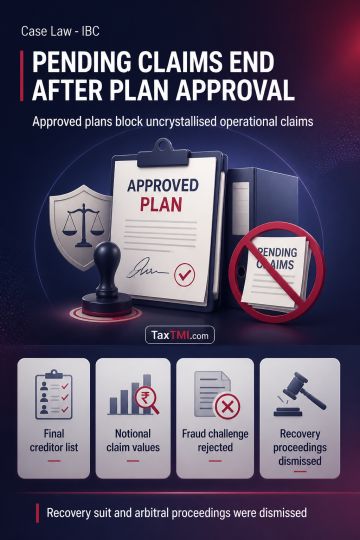
Clean slate principle extinguishes uncrystallised operational claims and bars continuation of pending recovery and arbitral proceedings after plan app...
Works contract classification governs composite layout-development contracts where VAT-paid goods are transferred alongside construction and infrastru...
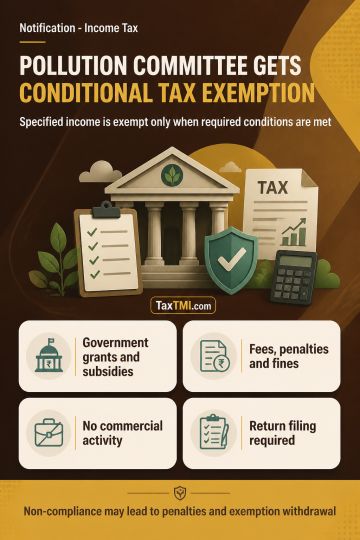
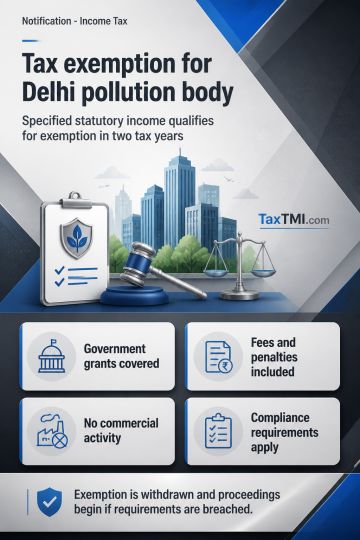
Specified income tax exemption for pollution control body remains conditional on non-commercial activity, unchanged income character, and return filin...
Recall under Rule 11 of the NCLT Rules was held confined to apparent procedural or similar infirmity in the order itself and could not be used to reopen a merits decision. The Tribunal treated a recall application based on later-discovered documents as a disguised attempt to seek review, which the Code does not permit, and held that subsequent material cannot justify recalling an order passed on merits. It also held that once the original section 9 order had been affirmed in appeal, it could not thereafter be reopened by recall. The appeal was dismissed and rejection of the recall application upheld.
Recall under Rule 11 of the NCLT Rules was held confined to apparent procedural or similar infirmity in the order itself and could not be used to reopen a merits decision. The Tribunal treated a recall application based on later-discovered documents as a disguised attempt to seek review, which the Code does not permit, and held that subsequent material cannot justify recalling an order passed on merits. It also held that once the original section 9 order had been affirmed in appeal, it could not thereafter be reopened by recall. The appeal was dismissed and rejection of the recall application upheld.
Note: It is a system-generated summary and is for quick reference only.
 TaxTMI
  TaxTMI
 of 4816











 Join Channel