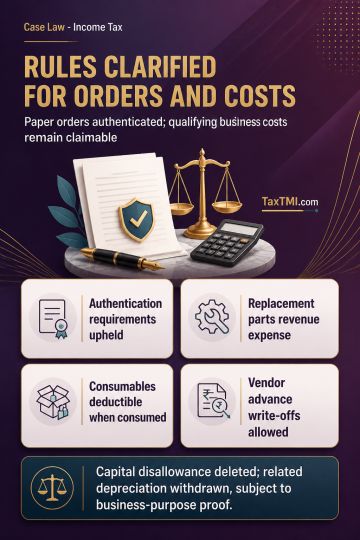
Authentication of paper assessment orders upheld, while qualifying repairs, consumables and vendor advance write-offs remain deductible business claim...
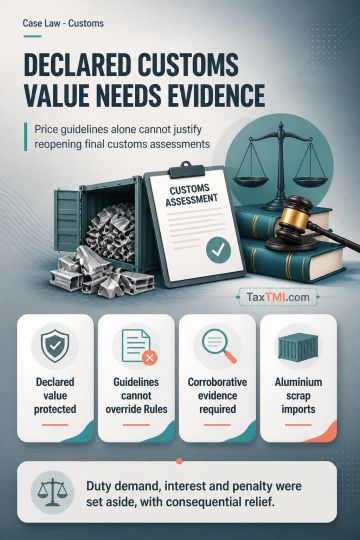
Transaction value cannot be rejected solely on non-statutory valuation guidelines without corroborative evidence supporting reassessment of final cust...
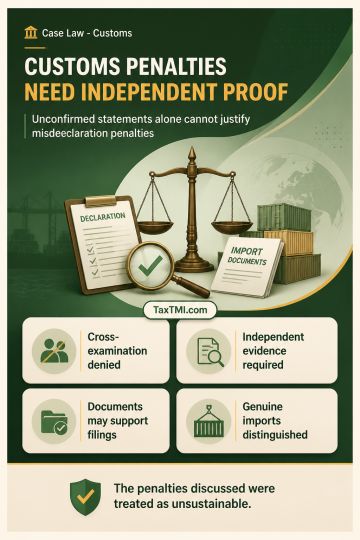
Cross-examination rights and corroborated evidence limit customs penalties for misdeclaration in genuine import transactions involving documented clea...
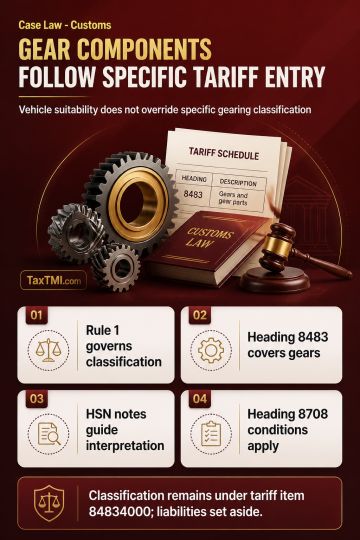
Tariff classification of vehicle gear components follows the specific gearing entry, displacing motor-vehicle parts classification and related liabili...
Recall under Rule 11 of the NCLT Rules was held confined to apparent procedural or similar infirmity in the order itself and could not be used to reopen a merits decision. The Tribunal treated a recall application based on later-discovered documents as a disguised attempt to seek review, which the Code does not permit, and held that subsequent material cannot justify recalling an order passed on merits. It also held that once the original section 9 order had been affirmed in appeal, it could not thereafter be reopened by recall. The appeal was dismissed and rejection of the recall application upheld.
Recall under Rule 11 of the NCLT Rules was held confined to apparent procedural or similar infirmity in the order itself and could not be used to reopen a merits decision. The Tribunal treated a recall application based on later-discovered documents as a disguised attempt to seek review, which the Code does not permit, and held that subsequent material cannot justify recalling an order passed on merits. It also held that once the original section 9 order had been affirmed in appeal, it could not thereafter be reopened by recall. The appeal was dismissed and rejection of the recall application upheld.
Note: It is a system-generated summary and is for quick reference only.
 TaxTMI
  TaxTMI
 of 4817






 Join Channel