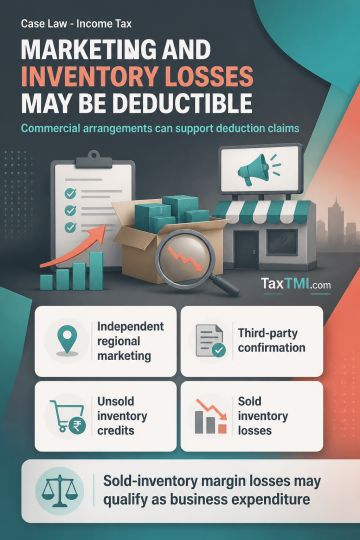
Jurisdictional facts in certificate-of-origin discrepancies can support customs show-cause proceedings, leaving factual explanations for departmental ...
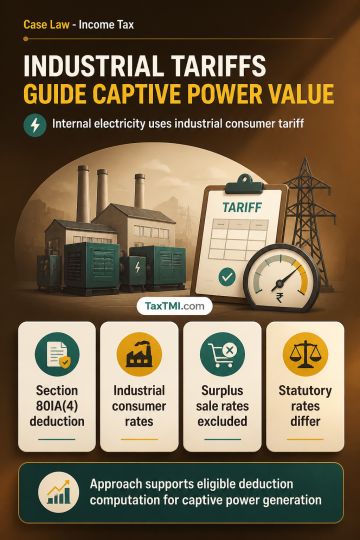
Market value for captive electricity consumption follows industrial consumer tariffs, supporting profit computation for the power generation deduction...
GST was held not to apply to affiliation fees collected by a statutory university because granting affiliation under the State university law was part of its regulatory and educational mandate, not a commercial supply in the course or furtherance of business. The Court held that Sections 7 and 9 of the CGST Act could not be used to characterise such statutory functions as taxable services, and therefore the demand under Section 74 lacked jurisdiction. In the alternative, the Court held that affiliation-related activity would also fall within the exemption for educational services, since affiliation forms part of the educational framework for admissions, courses and degree conferment.
GST was held not to apply to affiliation fees collected by a statutory university because granting affiliation under the State university law was part of its regulatory and educational mandate, not a commercial supply in the course or furtherance of business. The Court held that Sections 7 and 9 of the CGST Act could not be used to characterise such statutory functions as taxable services, and therefore the demand under Section 74 lacked jurisdiction. In the alternative, the Court held that affiliation-related activity would also fall within the exemption for educational services, since affiliation forms part of the educational framework for admissions, courses and degree conferment.
Note: It is a system-generated summary and is for quick reference only.
 TaxTMI
  TaxTMI
 of 4814









 Join Channel