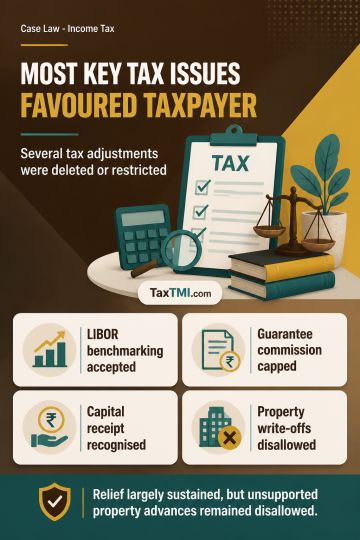
Transfer-pricing benchmarking and capital-receipt principles sustained taxpayer relief, while unsupported property-advance write-offs remained disallo...
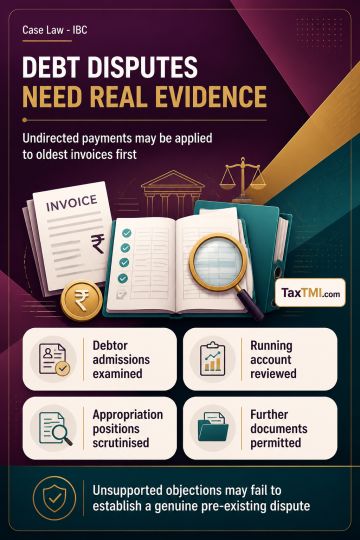
Pre-existing operational debt disputes require genuine evidence, while undirected running-account payments may be appropriated on a first-in-first-out...
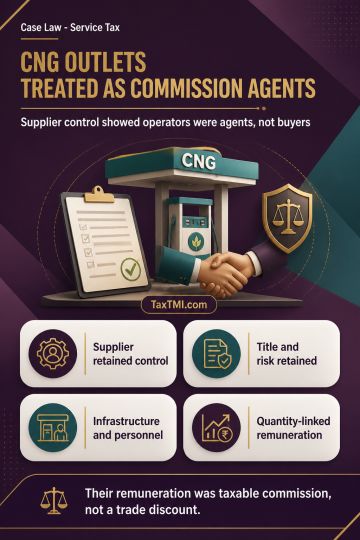
Agency in CNG distribution makes outlet operators commission agents, rendering taxable Business Auxiliary Service rather than purchasing goods for res...
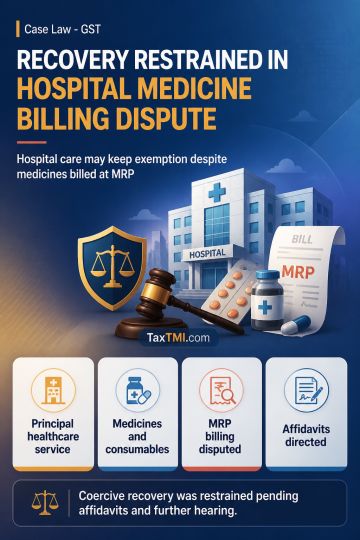
Composite inpatient healthcare supply may retain exemption despite MRP medicine billing, while separate taxable sale characterisation remains disputed...
A High Court held that, after excluding the Supreme Court-directed period from 15.03.2020 to 28.02.2022, limitation for the GST cancellation appeal commenced on 01.03.2022, not on the date of the cancellation order. The appeal filed on 06.06.2022 was beyond 90 days but within the additional condonable period under Section 107(4), so the appellate authority wrongly treated it as time-barred and as having no discretion to consider condonation. The rejection was quashed and the matter remanded for consideration of delay condonation and, if allowed, disposal of the appeal on merits, without any view on sufficiency of cause.
A High Court held that, after excluding the Supreme Court-directed period from 15.03.2020 to 28.02.2022, limitation for the GST cancellation appeal commenced on 01.03.2022, not on the date of the cancellation order. The appeal filed on 06.06.2022 was beyond 90 days but within the additional condonable period under Section 107(4), so the appellate authority wrongly treated it as time-barred and as having no discretion to consider condonation. The rejection was quashed and the matter remanded for consideration of delay condonation and, if allowed, disposal of the appeal on merits, without any view on sufficiency of cause.
Note: It is a system-generated summary and is for quick reference only.
 TaxTMI
  TaxTMI
 of 4814





 Join Channel