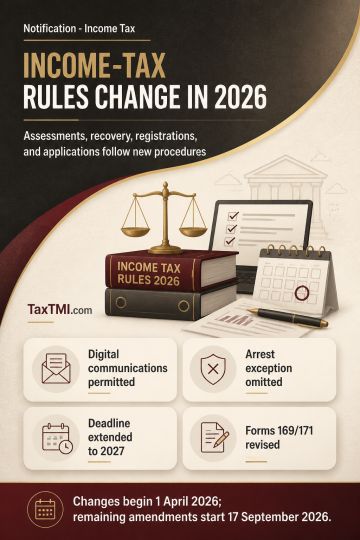
Faceless assessment and registration procedures are updated through electronic communication, revised recovery rules, extended deadlines, and replacem...
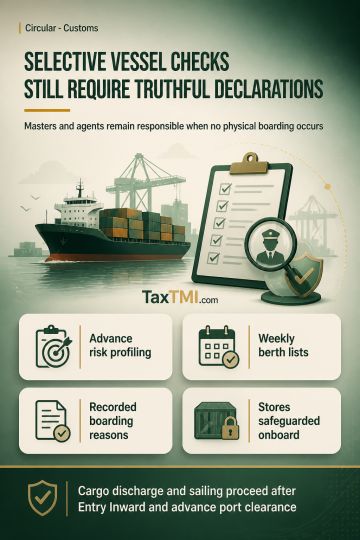
Risk-based selective vessel boarding requires accurate declarations and preserves master and agent liability where physical inspections are not select...
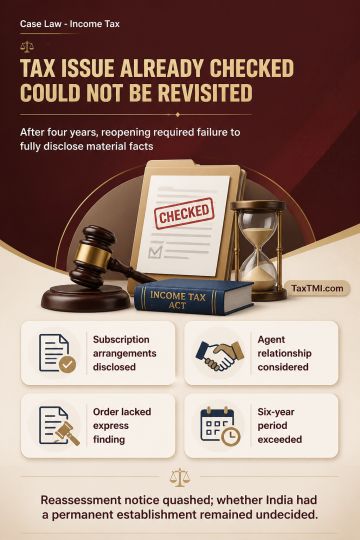
Permanent-establishment reassessment cannot revisit scrutinised disclosures; extended reopening fails without undisclosed material facts and within st...
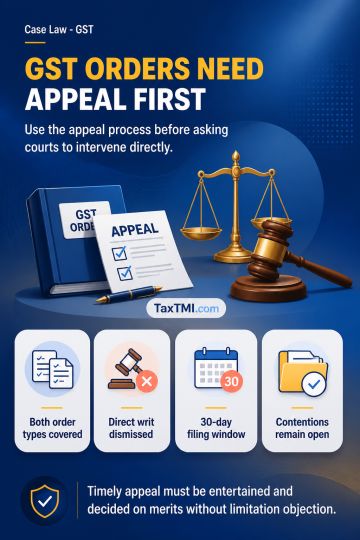
A High Court held that, after excluding the Supreme Court-directed period from 15.03.2020 to 28.02.2022, limitation for the GST cancellation appeal commenced on 01.03.2022, not on the date of the cancellation order. The appeal filed on 06.06.2022 was beyond 90 days but within the additional condonable period under Section 107(4), so the appellate authority wrongly treated it as time-barred and as having no discretion to consider condonation. The rejection was quashed and the matter remanded for consideration of delay condonation and, if allowed, disposal of the appeal on merits, without any view on sufficiency of cause.
A High Court held that, after excluding the Supreme Court-directed period from 15.03.2020 to 28.02.2022, limitation for the GST cancellation appeal commenced on 01.03.2022, not on the date of the cancellation order. The appeal filed on 06.06.2022 was beyond 90 days but within the additional condonable period under Section 107(4), so the appellate authority wrongly treated it as time-barred and as having no discretion to consider condonation. The rejection was quashed and the matter remanded for consideration of delay condonation and, if allowed, disposal of the appeal on merits, without any view on sufficiency of cause.
Note: It is a system-generated summary and is for quick reference only.
 TaxTMI
  TaxTMI