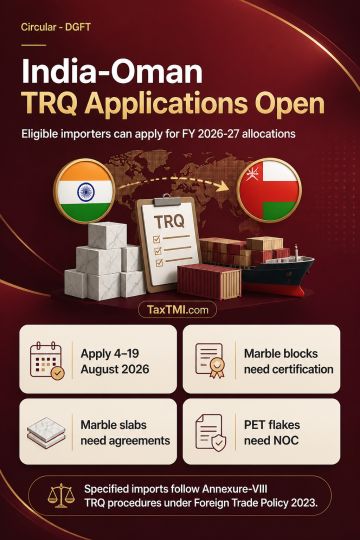
Transfer pricing comparability requires functional alignment, reliable financial data, and careful review of working capital and receivables adjustmen...
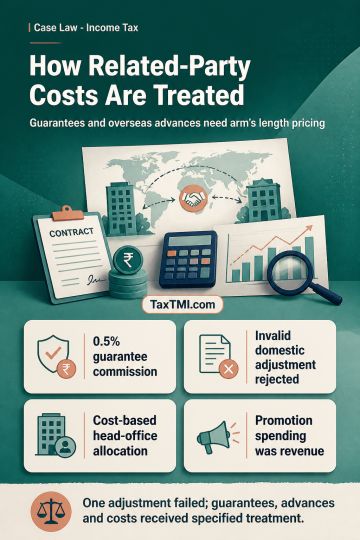
Transfer pricing rules require benchmarking corporate guarantees and associated-enterprise advances, while invalid domestic-transaction adjustments ca...
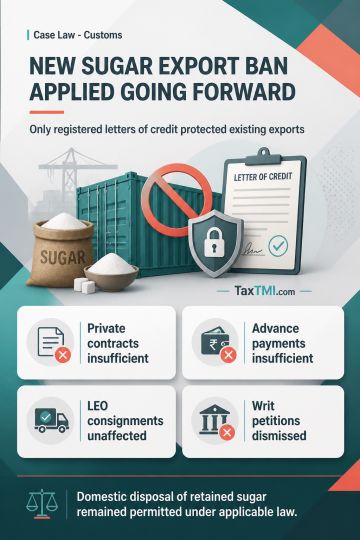
Prospective sugar export prohibition required registered letters of credit; private contracts and export quotas created no enforceable continuation ri...
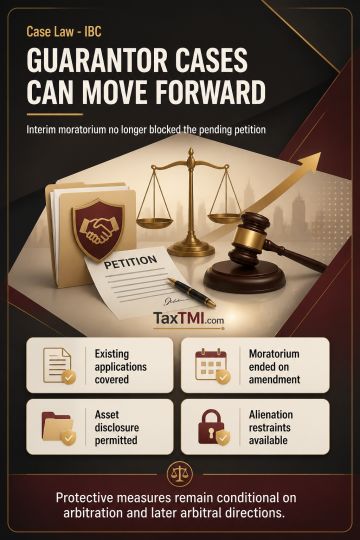
Retroactive interim-moratorium exclusion permits protective asset disclosure and preservation measures against personal guarantors pending arbitration...
A High Court held that, after excluding the Supreme Court-directed period from 15.03.2020 to 28.02.2022, limitation for the GST cancellation appeal commenced on 01.03.2022, not on the date of the cancellation order. The appeal filed on 06.06.2022 was beyond 90 days but within the additional condonable period under Section 107(4), so the appellate authority wrongly treated it as time-barred and as having no discretion to consider condonation. The rejection was quashed and the matter remanded for consideration of delay condonation and, if allowed, disposal of the appeal on merits, without any view on sufficiency of cause.
A High Court held that, after excluding the Supreme Court-directed period from 15.03.2020 to 28.02.2022, limitation for the GST cancellation appeal commenced on 01.03.2022, not on the date of the cancellation order. The appeal filed on 06.06.2022 was beyond 90 days but within the additional condonable period under Section 107(4), so the appellate authority wrongly treated it as time-barred and as having no discretion to consider condonation. The rejection was quashed and the matter remanded for consideration of delay condonation and, if allowed, disposal of the appeal on merits, without any view on sufficiency of cause.
Note: It is a system-generated summary and is for quick reference only.
 TaxTMI
  TaxTMI
 of 4817






 Join Channel