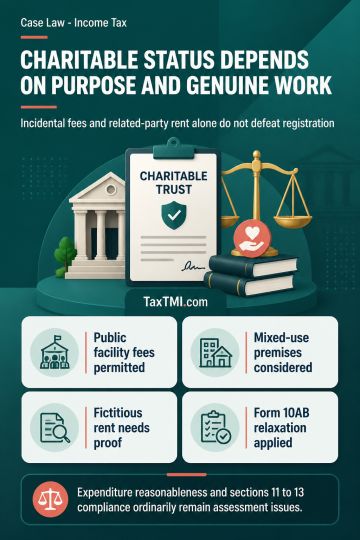
Charitable registration turns on predominant purpose and genuine activities, while incidental fees and related-party rent require supporting adverse m...
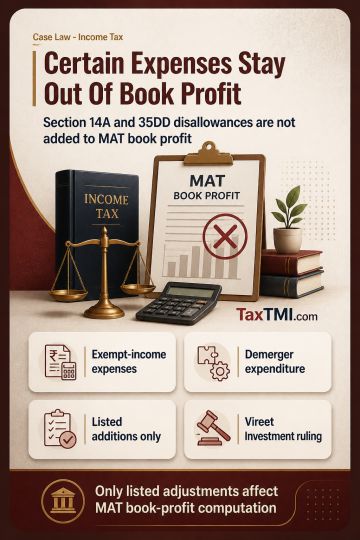
MAT book-profit adjustments exclude disallowances for exempt-income expenditure and demerger expenditure unless expressly listed under the statutory c...
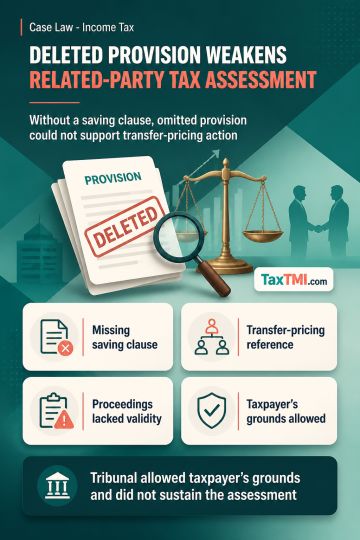
Omitted specified domestic transaction provision invalidates related-party expenditure transfer-pricing references and assessments based on consequent...
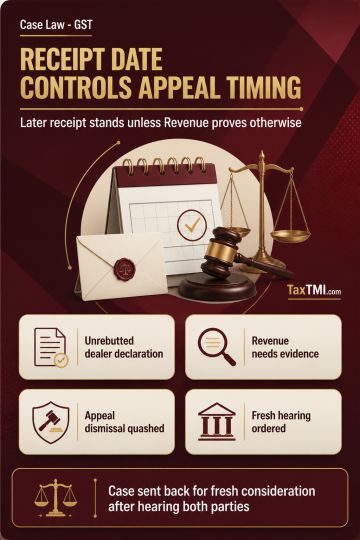
A High Court held that, after excluding the Supreme Court-directed period from 15.03.2020 to 28.02.2022, limitation for the GST cancellation appeal commenced on 01.03.2022, not on the date of the cancellation order. The appeal filed on 06.06.2022 was beyond 90 days but within the additional condonable period under Section 107(4), so the appellate authority wrongly treated it as time-barred and as having no discretion to consider condonation. The rejection was quashed and the matter remanded for consideration of delay condonation and, if allowed, disposal of the appeal on merits, without any view on sufficiency of cause.
A High Court held that, after excluding the Supreme Court-directed period from 15.03.2020 to 28.02.2022, limitation for the GST cancellation appeal commenced on 01.03.2022, not on the date of the cancellation order. The appeal filed on 06.06.2022 was beyond 90 days but within the additional condonable period under Section 107(4), so the appellate authority wrongly treated it as time-barred and as having no discretion to consider condonation. The rejection was quashed and the matter remanded for consideration of delay condonation and, if allowed, disposal of the appeal on merits, without any view on sufficiency of cause.
Note: It is a system-generated summary and is for quick reference only.
 TaxTMI
  TaxTMI
 of 4819




 Join Channel