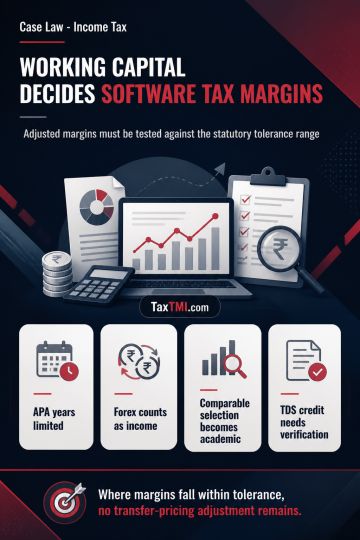
Working-capital adjustment determines whether software-services transfer-pricing margins fall within the statutory tolerance range, eliminating any ad...
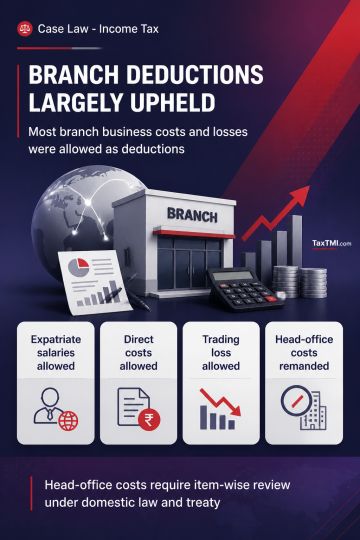
Permanent establishment deductions upheld for expatriate salaries, direct costs and trading losses, while head-office costs require fresh classificati...
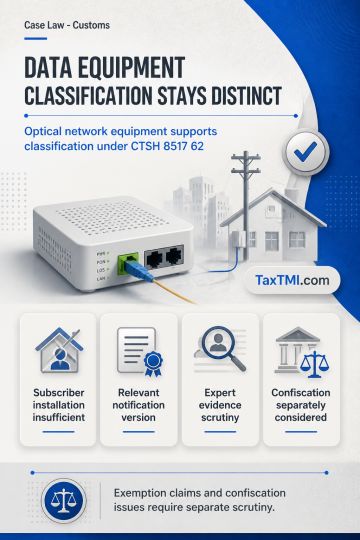
Data transmission equipment classification under CTSH 8517 62 remains distinct from residual classification, with exemption evidence requiring scrutin...
Once a Section 9 application was admitted and an interim resolution professional appointed, control of the corporate debtor's affairs vested in the IRP, so a suspended director could not file an appeal in the corporate debtor's name as its authorised representative. The appeal was inherently non-maintainable at inception, not a curable procedural defect, and the NCLAT erred in allowing later amendment of the cause title and memo of appeal. Given the strict limitation regime under the Code, with only a limited condonable period, the belated attempt to convert the incompetent appeal into a valid one was rejected. The appeal was dismissed on this ground alone.
Once a Section 9 application was admitted and an interim resolution professional appointed, control of the corporate debtor's affairs vested in the IRP, so a suspended director could not file an appeal in the corporate debtor's name as its authorised representative. The appeal was inherently non-maintainable at inception, not a curable procedural defect, and the NCLAT erred in allowing later amendment of the cause title and memo of appeal. Given the strict limitation regime under the Code, with only a limited condonable period, the belated attempt to convert the incompetent appeal into a valid one was rejected. The appeal was dismissed on this ground alone.
Note: It is a system-generated summary and is for quick reference only.
 TaxTMI
  TaxTMI
 of 4824









 Join Channel