Transfer-pricing benchmarking and capital-receipt principles sustained taxpayer relief, while unsupported property-advance write-offs remained disallo...
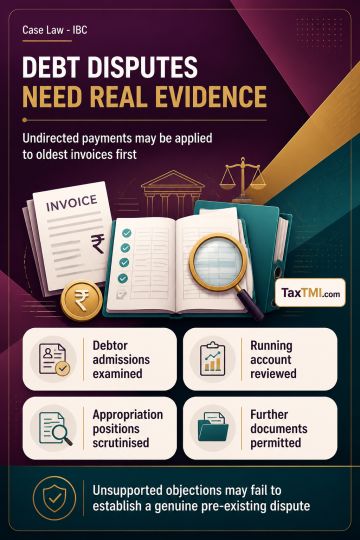
Pre-existing operational debt disputes require genuine evidence, while undirected running-account payments may be appropriated on a first-in-first-out...
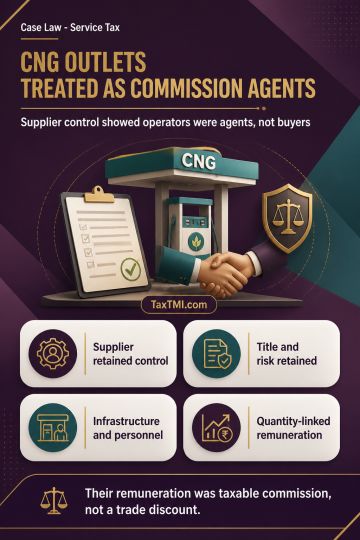
Agency in CNG distribution makes outlet operators commission agents, rendering taxable Business Auxiliary Service rather than purchasing goods for res...
Composite inpatient healthcare supply may retain exemption despite MRP medicine billing, while separate taxable sale characterisation remains disputed...
Once a Section 9 application was admitted and an interim resolution professional appointed, control of the corporate debtor's affairs vested in the IRP, so a suspended director could not file an appeal in the corporate debtor's name as its authorised representative. The appeal was inherently non-maintainable at inception, not a curable procedural defect, and the NCLAT erred in allowing later amendment of the cause title and memo of appeal. Given the strict limitation regime under the Code, with only a limited condonable period, the belated attempt to convert the incompetent appeal into a valid one was rejected. The appeal was dismissed on this ground alone.
Once a Section 9 application was admitted and an interim resolution professional appointed, control of the corporate debtor's affairs vested in the IRP, so a suspended director could not file an appeal in the corporate debtor's name as its authorised representative. The appeal was inherently non-maintainable at inception, not a curable procedural defect, and the NCLAT erred in allowing later amendment of the cause title and memo of appeal. Given the strict limitation regime under the Code, with only a limited condonable period, the belated attempt to convert the incompetent appeal into a valid one was rejected. The appeal was dismissed on this ground alone.
Note: It is a system-generated summary and is for quick reference only.
 TaxTMI
  TaxTMI
 of 4824









 Join Channel