Cooperative society deposits, member-interest TDS exemption and credit-facility deduction claims require verification through records and supporting e...
Customs jurisdiction over EPCG condition breaches survives export-obligation discharge certificates, requiring alleged fraud and misdeclaration to be ...
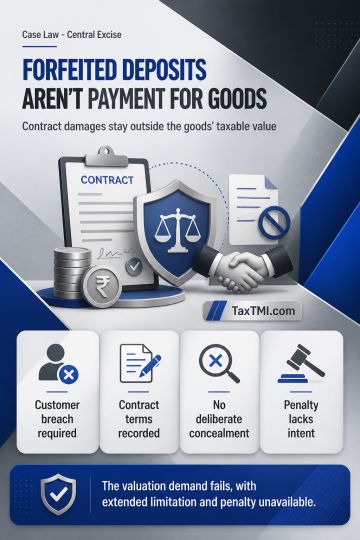
Contractual tolerance requires consideration; breach recoveries, qualifying public infrastructure services and road works escape service tax liability...
Once a Section 9 application was admitted and an interim resolution professional appointed, control of the corporate debtor's affairs vested in the IRP, so a suspended director could not file an appeal in the corporate debtor's name as its authorised representative. The appeal was inherently non-maintainable at inception, not a curable procedural defect, and the NCLAT erred in allowing later amendment of the cause title and memo of appeal. Given the strict limitation regime under the Code, with only a limited condonable period, the belated attempt to convert the incompetent appeal into a valid one was rejected. The appeal was dismissed on this ground alone.
Once a Section 9 application was admitted and an interim resolution professional appointed, control of the corporate debtor's affairs vested in the IRP, so a suspended director could not file an appeal in the corporate debtor's name as its authorised representative. The appeal was inherently non-maintainable at inception, not a curable procedural defect, and the NCLAT erred in allowing later amendment of the cause title and memo of appeal. Given the strict limitation regime under the Code, with only a limited condonable period, the belated attempt to convert the incompetent appeal into a valid one was rejected. The appeal was dismissed on this ground alone.
Note: It is a system-generated summary and is for quick reference only.
 TaxTMI
  TaxTMI
 of 4827














 Join Channel