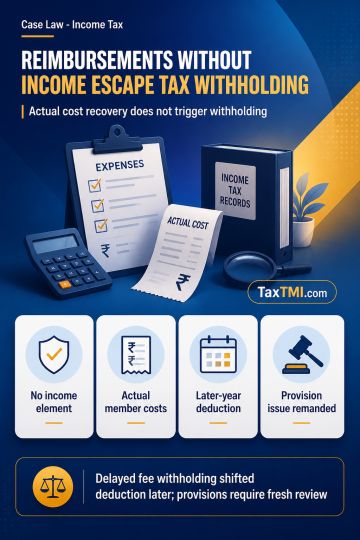
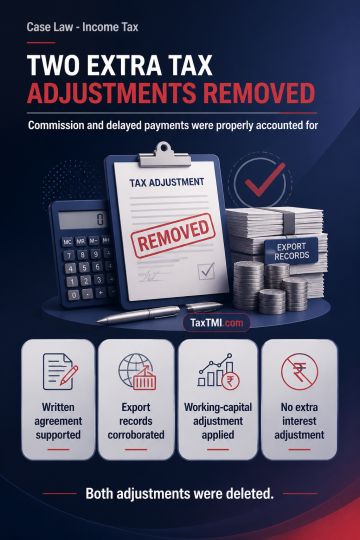
Pure reimbursement without income element escapes tax withholding, while delayed withholding and unsupported provisions face deferred or renewed scrut...
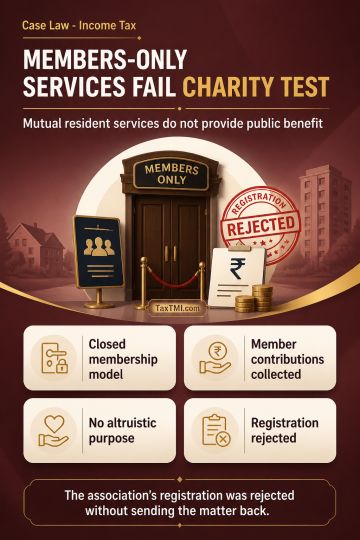
Public benefit requirement defeats charitable registration where residents' association services are reciprocal, member-only facilities governed by mu...
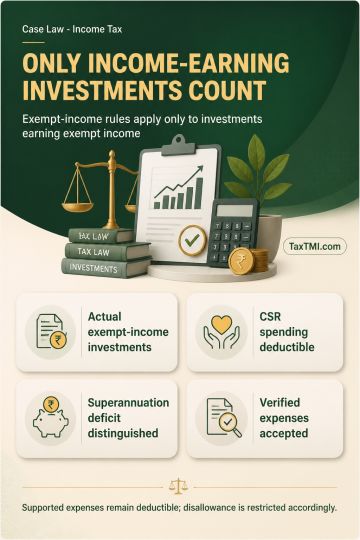
Exempt-income expenditure disallowance is confined to investments that actually generated exempt income, while supported business expenses remain dedu...
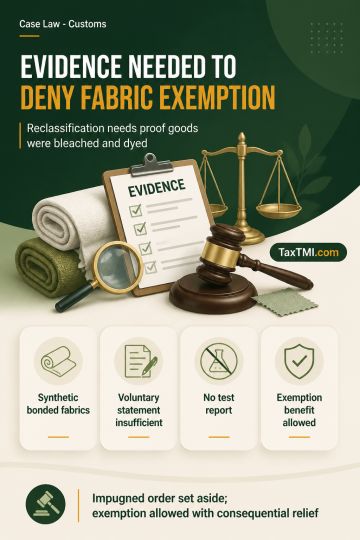
Objective characteristics and principal use govern mining-tyre classification, while fresh advance ruling applications may rely on additional technica...
Limitation under the I&B Code is a strict statutory regime, and a party cannot extend the appellate period by first pursuing writ proceedings instead of the prescribed appeal. The Tribunal held that where the writ petitions were filed after expiry of the original limitation period and were later not entertained due to availability of an effective alternative remedy, the time spent there could not be excluded to revive an otherwise time-barred appeal. Applying the principle that a special statute prevails over the general law, it treated the request to condone delay as beyond jurisdiction and dismissed the appeals as barred by limitation.
Limitation under the I&B Code is a strict statutory regime, and a party cannot extend the appellate period by first pursuing writ proceedings instead of the prescribed appeal. The Tribunal held that where the writ petitions were filed after expiry of the original limitation period and were later not entertained due to availability of an effective alternative remedy, the time spent there could not be excluded to revive an otherwise time-barred appeal. Applying the principle that a special statute prevails over the general law, it treated the request to condone delay as beyond jurisdiction and dismissed the appeals as barred by limitation.
Note: It is a system-generated summary and is for quick reference only.
 TaxTMI
  TaxTMI
 of 4821





 Join Channel


