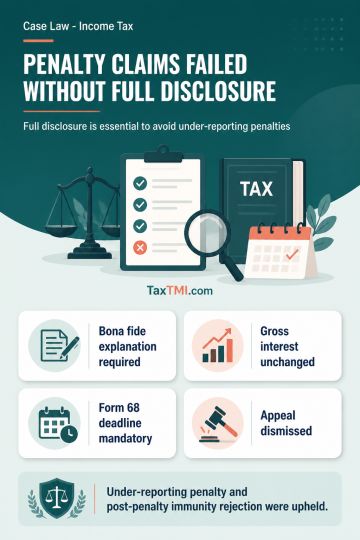
Bona fide disclosure requirements govern under-reporting penalties, and post-penalty immunity applications cannot secure available statutory protectio...
Certificate-of-origin verification procedure governs preferential customs benefits; denial without retroactive verification was set aside with consequ...
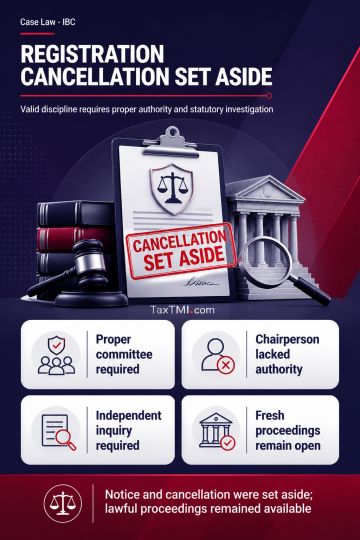
Disciplinary Committee jurisdiction and mandatory investigation requirements invalidated cancellation of an insolvency professional's registration and...
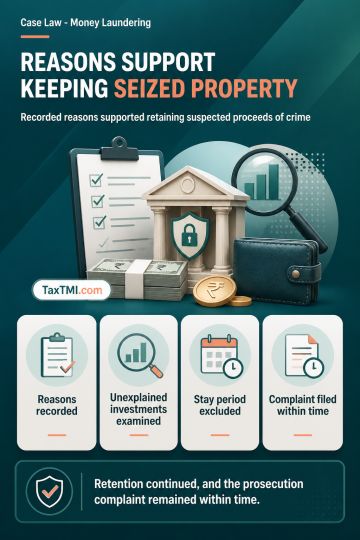
Retention of seized property survives where recorded reasons support proceeds of crime, while stayed investigation periods are excluded from limitatio...
Section 14(1)(d) of the Insolvency and Bankruptcy Code bars a lessor from recovering leased premises during moratorium while the corporate debtor or resolution professional remains in possession, even if the lease was terminated before CIRP. The Tribunal read this protection with Regulation 31(b) and applied the distinction between physical occupation and juridical possession, holding that possession continuing after termination remains protected until lawful eviction. As the resolution professional admittedly remained in possession of the leased property, the lessor could not reclaim it during moratorium, and the claim for delivery of possession was rejected.
Section 14(1)(d) of the Insolvency and Bankruptcy Code bars a lessor from recovering leased premises during moratorium while the corporate debtor or resolution professional remains in possession, even if the lease was terminated before CIRP. The Tribunal read this protection with Regulation 31(b) and applied the distinction between physical occupation and juridical possession, holding that possession continuing after termination remains protected until lawful eviction. As the resolution professional admittedly remained in possession of the leased property, the lessor could not reclaim it during moratorium, and the claim for delivery of possession was rejected.
Note: It is a system-generated summary and is for quick reference only.
 TaxTMI
  TaxTMI
 of 4823







 Join Channel