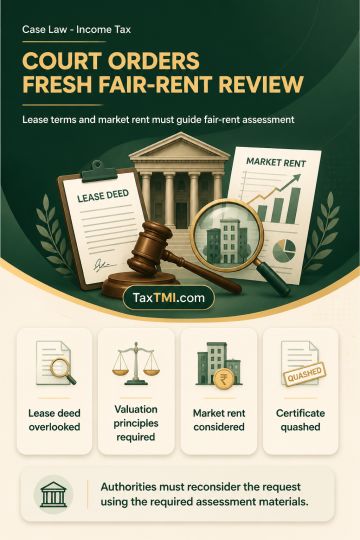
Fair-rent assessment requires consideration of lease terms, valuation principles and prevailing market rent; the certificate was quashed for fresh rev...
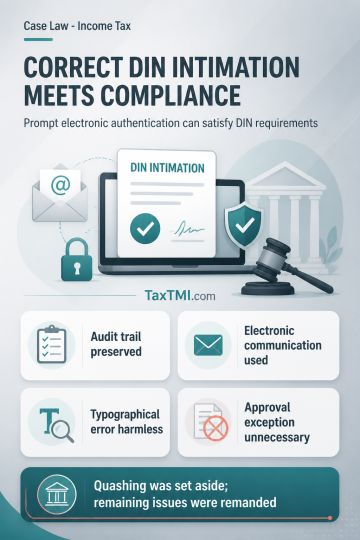
Document Identification Number compliance is satisfied when electronically communicated orders are promptly authenticated through a correctly identifi...
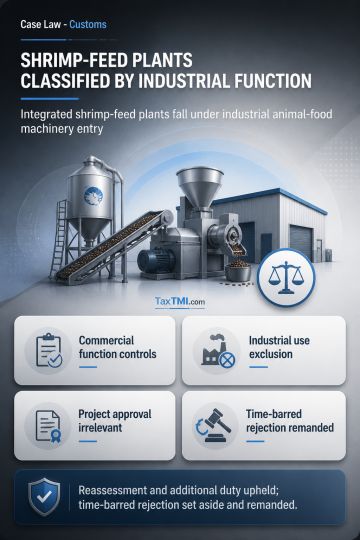
Industrial shrimp-feed machinery classification follows its commercial function, placing integrated production plants under the specific industrial fo...
Section 14(1)(d) of the Insolvency and Bankruptcy Code bars a lessor from recovering leased premises during moratorium while the corporate debtor or resolution professional remains in possession, even if the lease was terminated before CIRP. The Tribunal read this protection with Regulation 31(b) and applied the distinction between physical occupation and juridical possession, holding that possession continuing after termination remains protected until lawful eviction. As the resolution professional admittedly remained in possession of the leased property, the lessor could not reclaim it during moratorium, and the claim for delivery of possession was rejected.
Section 14(1)(d) of the Insolvency and Bankruptcy Code bars a lessor from recovering leased premises during moratorium while the corporate debtor or resolution professional remains in possession, even if the lease was terminated before CIRP. The Tribunal read this protection with Regulation 31(b) and applied the distinction between physical occupation and juridical possession, holding that possession continuing after termination remains protected until lawful eviction. As the resolution professional admittedly remained in possession of the leased property, the lessor could not reclaim it during moratorium, and the claim for delivery of possession was rejected.
Note: It is a system-generated summary and is for quick reference only.
 TaxTMI
  TaxTMI
 of 4823




 Join Channel


