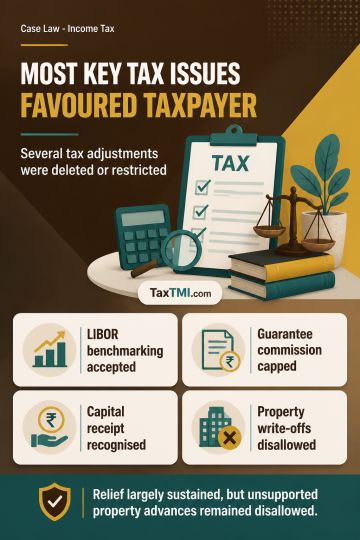
Transfer-pricing benchmarking and capital-receipt principles sustained taxpayer relief, while unsupported property-advance write-offs remained disallo...
Pre-existing operational debt disputes require genuine evidence, while undirected running-account payments may be appropriated on a first-in-first-out...
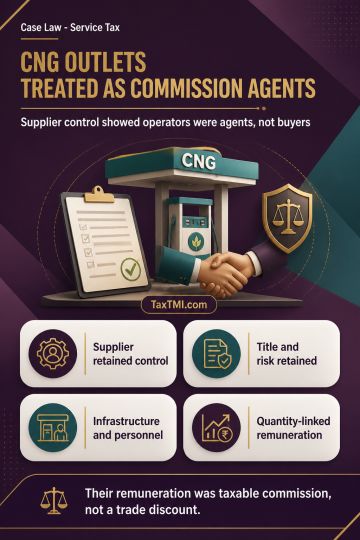
Agency in CNG distribution makes outlet operators commission agents, rendering taxable Business Auxiliary Service rather than purchasing goods for res...
In real estate anti-profiteering analysis, the governing approach is to test project-level GST savings by comparing credit availed to purchase value in the pre-GST and post-GST periods. Applying that method, the Tribunal accepted the DGAP's use of purchase-value ratios, excluded reversed credit and units outside the relevant pre-occupancy sale pool, and held that no additional benefit had accrued to the developer. It also accepted that ledger adjustments could evidence passing on of input tax credit, and that the EPC contractor was not the supplier to homebuyers. The objections to methodology, verification, and alleged inconsistency were rejected, and no contravention of Section 171 was found.
In real estate anti-profiteering analysis, the governing approach is to test project-level GST savings by comparing credit availed to purchase value in the pre-GST and post-GST periods. Applying that method, the Tribunal accepted the DGAP's use of purchase-value ratios, excluded reversed credit and units outside the relevant pre-occupancy sale pool, and held that no additional benefit had accrued to the developer. It also accepted that ledger adjustments could evidence passing on of input tax credit, and that the EPC contractor was not the supplier to homebuyers. The objections to methodology, verification, and alleged inconsistency were rejected, and no contravention of Section 171 was found.
Note: It is a system-generated summary and is for quick reference only.
 TaxTMI
  TaxTMI
 of 4830














 Join Channel


