Arrest safeguards and transit remand requirements invalidated detention following inter-State transfer without communicated grounds or magistrate auth...
Arrest safeguards require disclosed grounds, relative intimation and transit remand, while duplicate prosecution under the CGST framework is unsustain...
Document Identification Number defects can invalidate GST assessments, with delayed challenges entertained conditionally where patent irregularities e...
Windmill commissioning evidence supported higher depreciation where grid connection and electricity generation proved operational use before the relev...
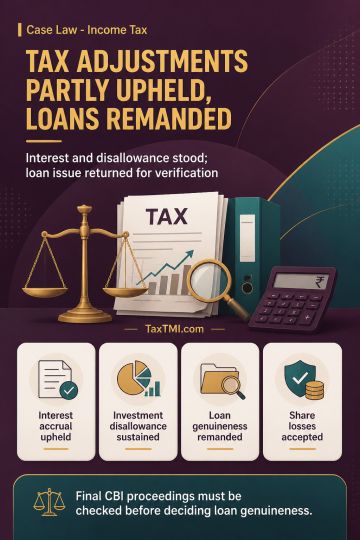
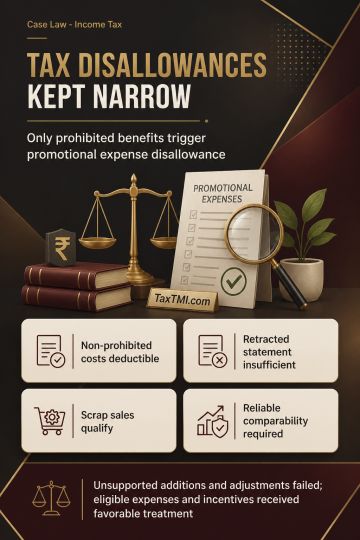
Pharmaceutical promotion and transfer-pricing comparability principles limited disallowances, while uncorroborated search allegations and unsupported ...
GST offences involving liability below the statutory threshold are treated as non-cognizable and bailable under Section 132 of the CGST/CGGST Act, 2017. The High Court noted that the proceedings against the applicant related to a GST liability of less than Rs. 5 crore and held that, on that basis, the alleged offence did not justify an apprehension of arrest. The plea for anticipatory bail under Section 482 BNSS was therefore found to be without merit and was rejected.
GST offences involving liability below the statutory threshold are treated as non-cognizable and bailable under Section 132 of the CGST/CGGST Act, 2017. The High Court noted that the proceedings against the applicant related to a GST liability of less than Rs. 5 crore and held that, on that basis, the alleged offence did not justify an apprehension of arrest. The plea for anticipatory bail under Section 482 BNSS was therefore found to be without merit and was rejected.
Note: It is a system-generated summary and is for quick reference only.
 TaxTMI
  TaxTMI
 of 4813
















 Join Channel