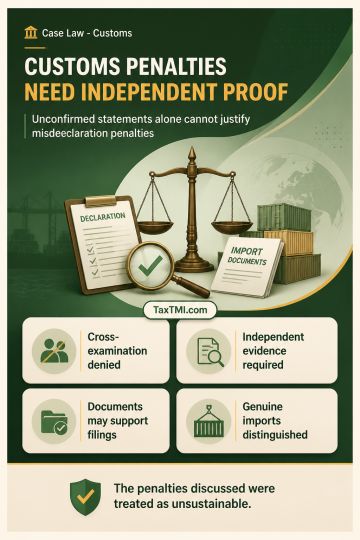
Cross-examination rights and corroborated evidence limit customs penalties for misdeclaration in genuine import transactions involving documented clea...
Tariff classification of vehicle gear components follows the specific gearing entry, displacing motor-vehicle parts classification and related liabili...
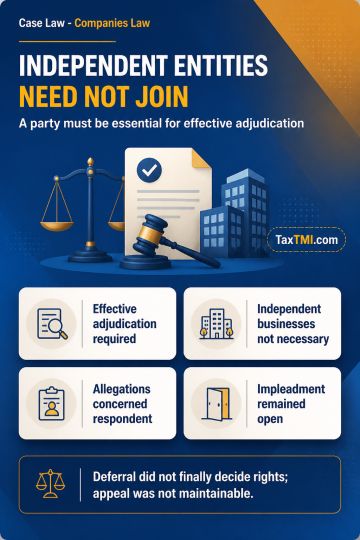
Necessary-party requirements limit impleadment of independent entities, while deferred consideration does not create an appealable adverse determinati...
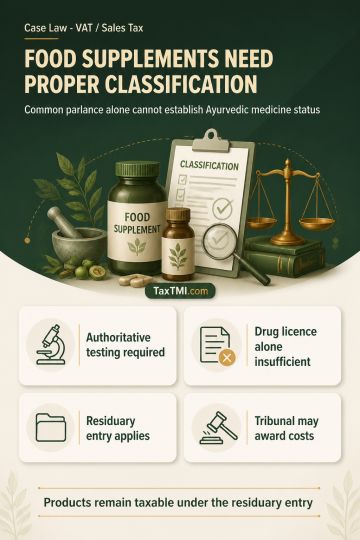
Food supplement classification requires common parlance and authoritative tests, preventing treatment as proprietary Ayurvedic medicines without suppo...
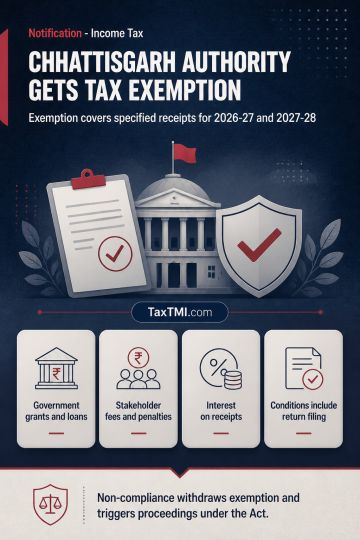
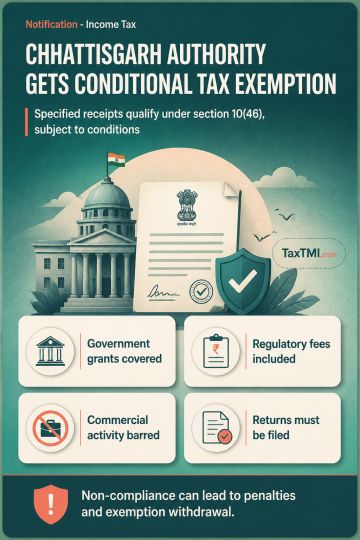
Specified regulatory authority income receives conditional tax exemption, subject to non-commercial activity, unchanged income character, and return f...
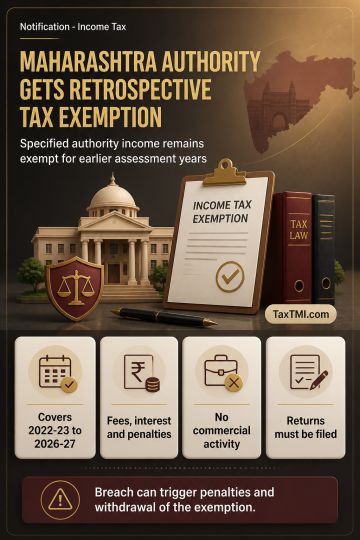
Tax exemption for regulatory authority income applies retrospectively, subject to non-commercial activity, unchanged income sources, and return-filing...
GST offences involving liability below the statutory threshold are treated as non-cognizable and bailable under Section 132 of the CGST/CGGST Act, 2017. The High Court noted that the proceedings against the applicant related to a GST liability of less than Rs. 5 crore and held that, on that basis, the alleged offence did not justify an apprehension of arrest. The plea for anticipatory bail under Section 482 BNSS was therefore found to be without merit and was rejected.
GST offences involving liability below the statutory threshold are treated as non-cognizable and bailable under Section 132 of the CGST/CGGST Act, 2017. The High Court noted that the proceedings against the applicant related to a GST liability of less than Rs. 5 crore and held that, on that basis, the alleged offence did not justify an apprehension of arrest. The plea for anticipatory bail under Section 482 BNSS was therefore found to be without merit and was rejected.
Note: It is a system-generated summary and is for quick reference only.
 TaxTMI
  TaxTMI
 of 4813





 Join Channel