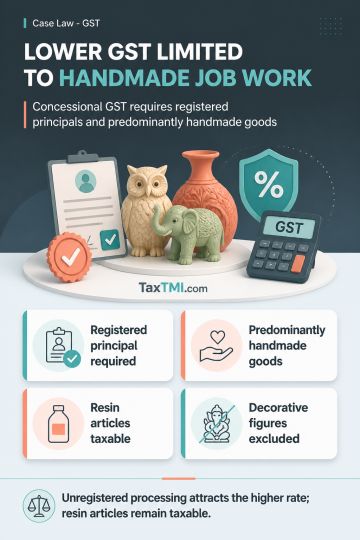
Handicraft job work receives concessional GST only for registered principals and predominantly handmade goods; commercial resin articles remain taxabl...
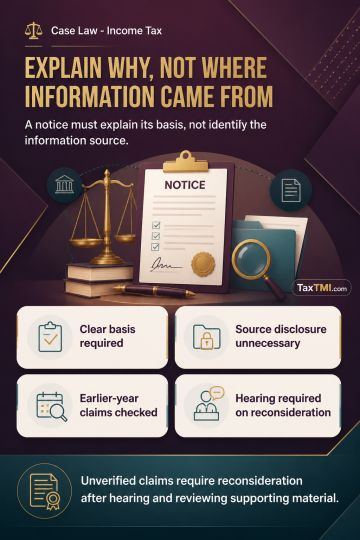
Reassessment disclosure requirements permit stated reasons without revealing information sources, but prior-taxation claims require full examination b...
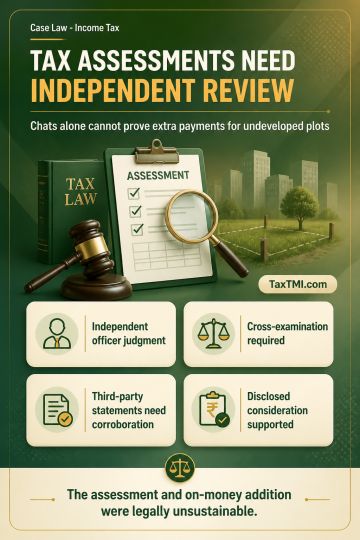
Independent assessment discretion and corroborated electronic evidence determine validity of on-money additions and undisclosed-consideration assessme...
Class actions under Section 245 are maintainable in respect of transactions pleaded as past, continuing or systematically orchestrated where concealment prevents shareholder knowledge or authorisation; the Tribunal held such allegations justify admission. The Tribunal construed Section 245(1)(g) and residuary clause (h) to permit reliefs against the company, its directors and third parties, including damages or compensation aimed at restoring the company and consequential shareholder loss. The NCLT properly applied Section 245(4) factors (good faith and locus to pursue) and relevant NCLT Rules on threshold shareholding, joinder impracticability and common questions, and admission on the prima facie record was upheld.
Class actions under Section 245 are maintainable in respect of transactions pleaded as past, continuing or systematically orchestrated where concealment prevents shareholder knowledge or authorisation; the Tribunal held such allegations justify admission. The Tribunal construed Section 245(1)(g) and residuary clause (h) to permit reliefs against the company, its directors and third parties, including damages or compensation aimed at restoring the company and consequential shareholder loss. The NCLT properly applied Section 245(4) factors (good faith and locus to pursue) and relevant NCLT Rules on threshold shareholding, joinder impracticability and common questions, and admission on the prima facie record was upheld.
Note: It is a system-generated summary and is for quick reference only.
 TaxTMI
  TaxTMI
 of 4828







 Join Channel


