Transaction value rejection requires reliable corroboration; refundable VAT is excluded and temporary registration does not defeat new-vehicle exempti...
Appellate jurisdiction remains available where a wrist-worn gold ornament cannot conclusively be characterised as imported baggage at the preliminary ...
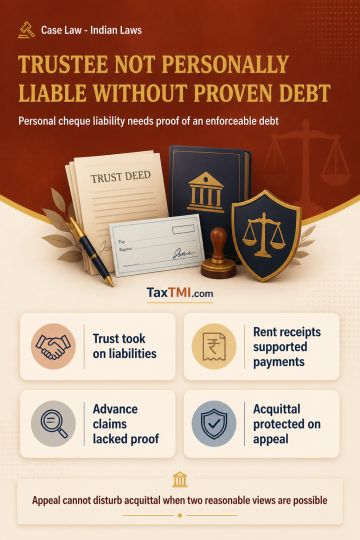
Written complaint requirement bars cognizance on police reports for securities offences, while unsupported breach of trust and cheating allegations fa...
Risk-based postal import clearance standardises electronic assessment, document requests, duty realisation and delivery controls at Foreign Post Offic...
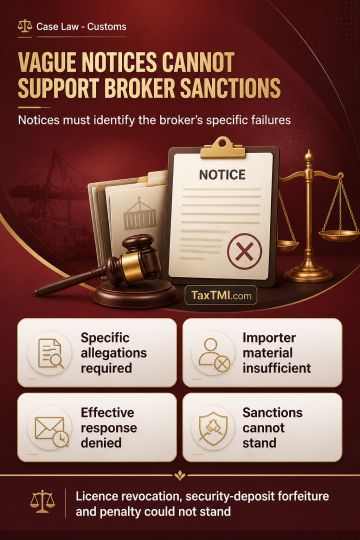
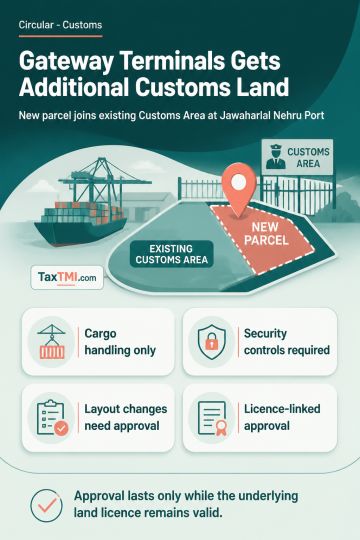
Customs Cargo Service Provider appointment extends custodianship to additional terminal land, subject to cargo-control, security and licence condition...
Section 107(4) permits a discretionary additional thirty days beyond the primary ninety-day limitation if the appellant shows sufficient cause, and that discretionary period is exhaustive; courts constitutional writ jurisdiction cannot be used to further extend the statutory timeline beyond the total 120 days. Reasons not meeting the sufficient cause standard will not support condonation. Where an alternative efficacious remedy in the statute has been availed, the validity of the original demand order cannot be re-opened via a collateral constitutional challenge. Taxing statutes operate within strict time frames, placing a duty on taxpayers to monitor proceedings and verify orders on the portal.
Section 107(4) permits a discretionary additional thirty days beyond the primary ninety-day limitation if the appellant shows sufficient cause, and that discretionary period is exhaustive; courts constitutional writ jurisdiction cannot be used to further extend the statutory timeline beyond the total 120 days. Reasons not meeting the sufficient cause standard will not support condonation. Where an alternative efficacious remedy in the statute has been availed, the validity of the original demand order cannot be re-opened via a collateral constitutional challenge. Taxing statutes operate within strict time frames, placing a duty on taxpayers to monitor proceedings and verify orders on the portal.
Note: It is a system-generated summary and is for quick reference only.
 TaxTMI
 of 4784







 Join Channel


 TaxTMI