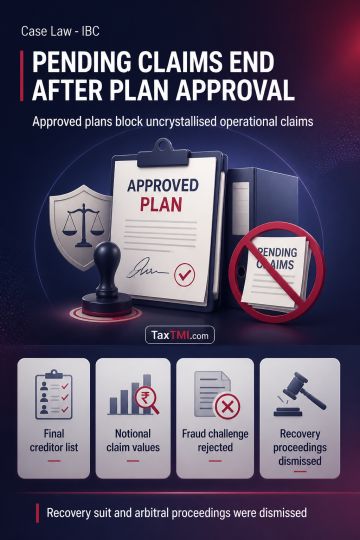
Clean slate principle extinguishes uncrystallised operational claims and bars continuation of pending recovery and arbitral proceedings after plan app...
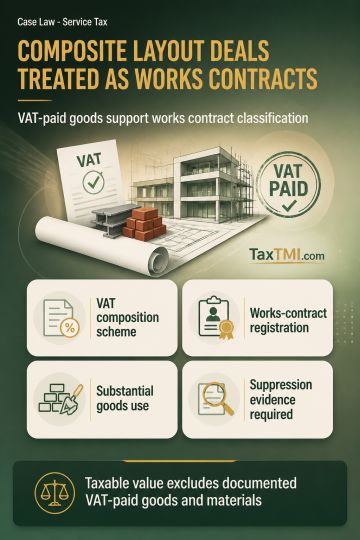
Works contract classification governs composite layout-development contracts where VAT-paid goods are transferred alongside construction and infrastru...
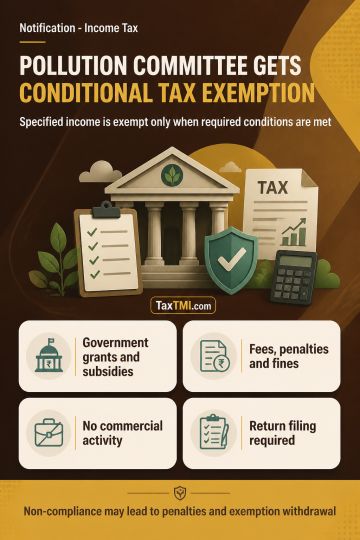
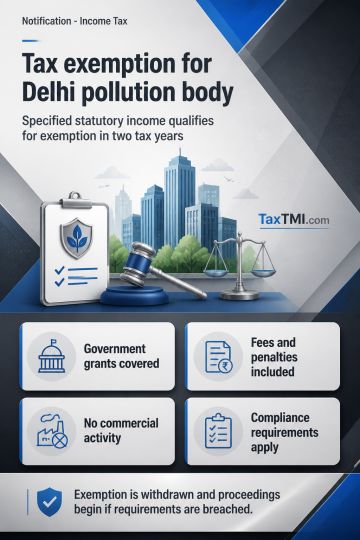
Specified income tax exemption for pollution control body remains conditional on non-commercial activity, unchanged income character, and return filin...
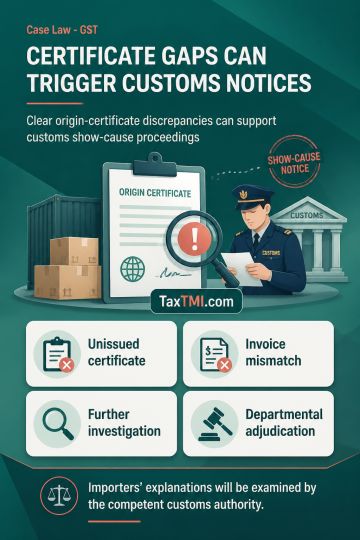
Jurisdictional facts in certificate-of-origin discrepancies can support customs show-cause proceedings, leaving factual explanations for departmental ...
A Section 9 IBC application by an operational creditor is liable to be rejected where the information utility record reflects a dispute, since Section 9 is a summary remedy for undisputed operational debt and Section 9(5)(ii)(d) mandates rejection upon existence of dispute. As the operational creditor itself produced the information utility certificate showing a recorded dispute, the adjudicating authority erred in admitting the application without addressing that statutory bar; the admission order was set aside and the Section 9 application rejected. Independently, a pre-existing dispute was evident from the corporate debtor's reply to the demand notice disputing liability, attracting Section 9(5)(ii)(d); the appeal was allowed. - NCLAT
A Section 9 IBC application by an operational creditor is liable to be rejected where the information utility record reflects a dispute, since Section 9 is a summary remedy for undisputed operational debt and Section 9(5)(ii)(d) mandates rejection upon existence of dispute. As the operational creditor itself produced the information utility certificate showing a recorded dispute, the adjudicating authority erred in admitting the application without addressing that statutory bar; the admission order was set aside and the Section 9 application rejected. Independently, a pre-existing dispute was evident from the corporate debtor's reply to the demand notice disputing liability, attracting Section 9(5)(ii)(d); the appeal was allowed. - NCLAT
Note: It is a system-generated summary and is for quick reference only.
 TaxTMI
 of 4798





 Join Channel


 TaxTMI