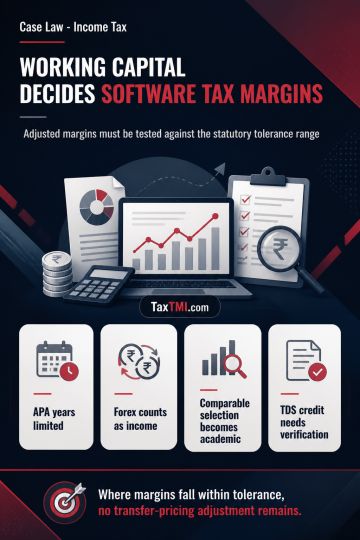
Working-capital adjustment determines whether software-services transfer-pricing margins fall within the statutory tolerance range, eliminating any ad...
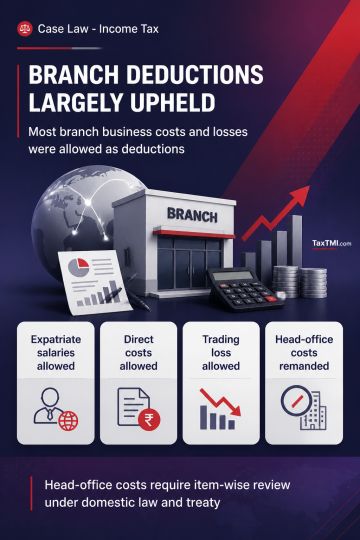
Permanent establishment deductions upheld for expatriate salaries, direct costs and trading losses, while head-office costs require fresh classificati...
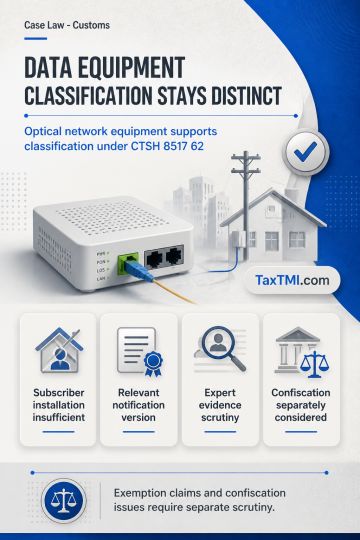
Data transmission equipment classification under CTSH 8517 62 remains distinct from residual classification, with exemption evidence requiring scrutin...
A Section 9 IBC application by an operational creditor is liable to be rejected where the information utility record reflects a dispute, since Section 9 is a summary remedy for undisputed operational debt and Section 9(5)(ii)(d) mandates rejection upon existence of dispute. As the operational creditor itself produced the information utility certificate showing a recorded dispute, the adjudicating authority erred in admitting the application without addressing that statutory bar; the admission order was set aside and the Section 9 application rejected. Independently, a pre-existing dispute was evident from the corporate debtor's reply to the demand notice disputing liability, attracting Section 9(5)(ii)(d); the appeal was allowed. - NCLAT
A Section 9 IBC application by an operational creditor is liable to be rejected where the information utility record reflects a dispute, since Section 9 is a summary remedy for undisputed operational debt and Section 9(5)(ii)(d) mandates rejection upon existence of dispute. As the operational creditor itself produced the information utility certificate showing a recorded dispute, the adjudicating authority erred in admitting the application without addressing that statutory bar; the admission order was set aside and the Section 9 application rejected. Independently, a pre-existing dispute was evident from the corporate debtor's reply to the demand notice disputing liability, attracting Section 9(5)(ii)(d); the appeal was allowed. - NCLAT
Note: It is a system-generated summary and is for quick reference only.
 TaxTMI
 of 4796







 Join Channel


 TaxTMI
