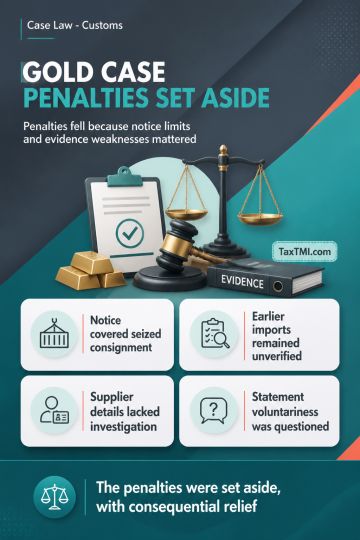
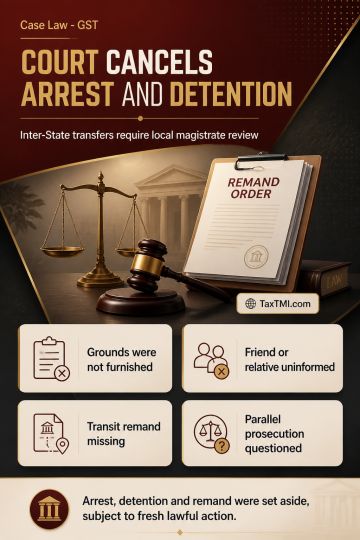
Arrest safeguards and transit remand requirements invalidated detention following inter-State transfer without communicated grounds or magistrate auth...
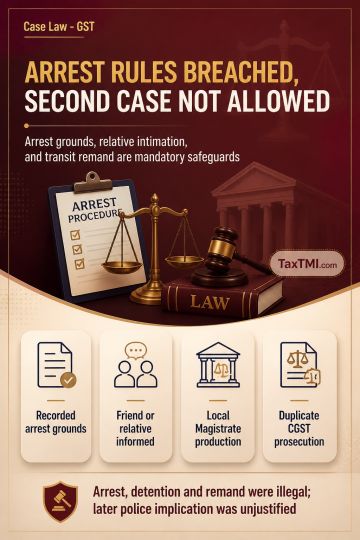
Arrest safeguards require disclosed grounds, relative intimation and transit remand, while duplicate prosecution under the CGST framework is unsustain...
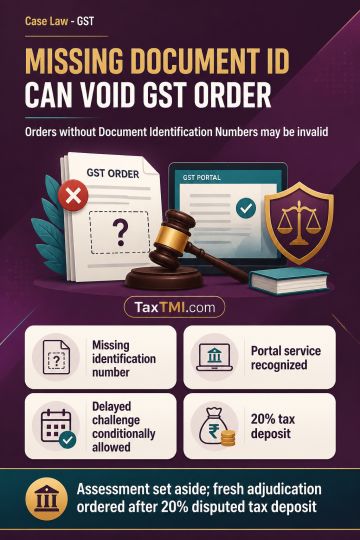
Document Identification Number defects can invalidate GST assessments, with delayed challenges entertained conditionally where patent irregularities e...
Windmill commissioning evidence supported higher depreciation where grid connection and electricity generation proved operational use before the relev...
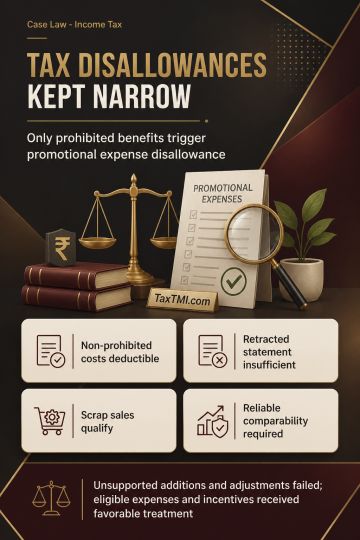
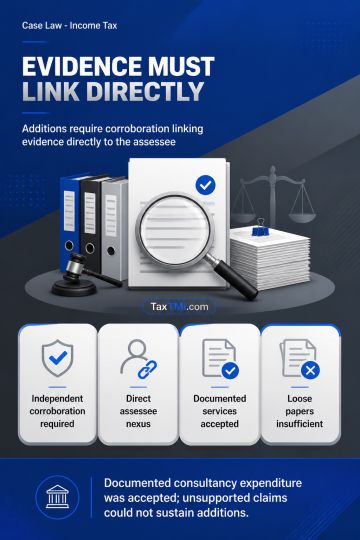
Pharmaceutical promotion and transfer-pricing comparability principles limited disallowances, while uncorroborated search allegations and unsupported ...
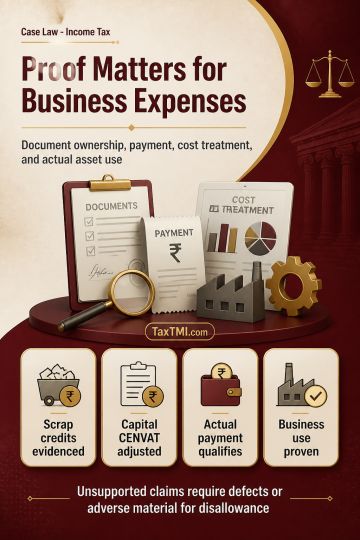
Business expenditure substantiation supports scrap credits, statutory payments and expense claims, while depreciation requires proof of actual busines...
A Section 9 IBC application by an operational creditor is liable to be rejected where the information utility record reflects a dispute, since Section 9 is a summary remedy for undisputed operational debt and Section 9(5)(ii)(d) mandates rejection upon existence of dispute. As the operational creditor itself produced the information utility certificate showing a recorded dispute, the adjudicating authority erred in admitting the application without addressing that statutory bar; the admission order was set aside and the Section 9 application rejected. Independently, a pre-existing dispute was evident from the corporate debtor's reply to the demand notice disputing liability, attracting Section 9(5)(ii)(d); the appeal was allowed. - NCLAT
A Section 9 IBC application by an operational creditor is liable to be rejected where the information utility record reflects a dispute, since Section 9 is a summary remedy for undisputed operational debt and Section 9(5)(ii)(d) mandates rejection upon existence of dispute. As the operational creditor itself produced the information utility certificate showing a recorded dispute, the adjudicating authority erred in admitting the application without addressing that statutory bar; the admission order was set aside and the Section 9 application rejected. Independently, a pre-existing dispute was evident from the corporate debtor's reply to the demand notice disputing liability, attracting Section 9(5)(ii)(d); the appeal was allowed. - NCLAT
Note: It is a system-generated summary and is for quick reference only.
 TaxTMI
 of 4792








 Join Channel


 TaxTMI